Introduction
Many people living with pain are told:
“There’s nothing structurally wrong.”
Yet the pain remains.
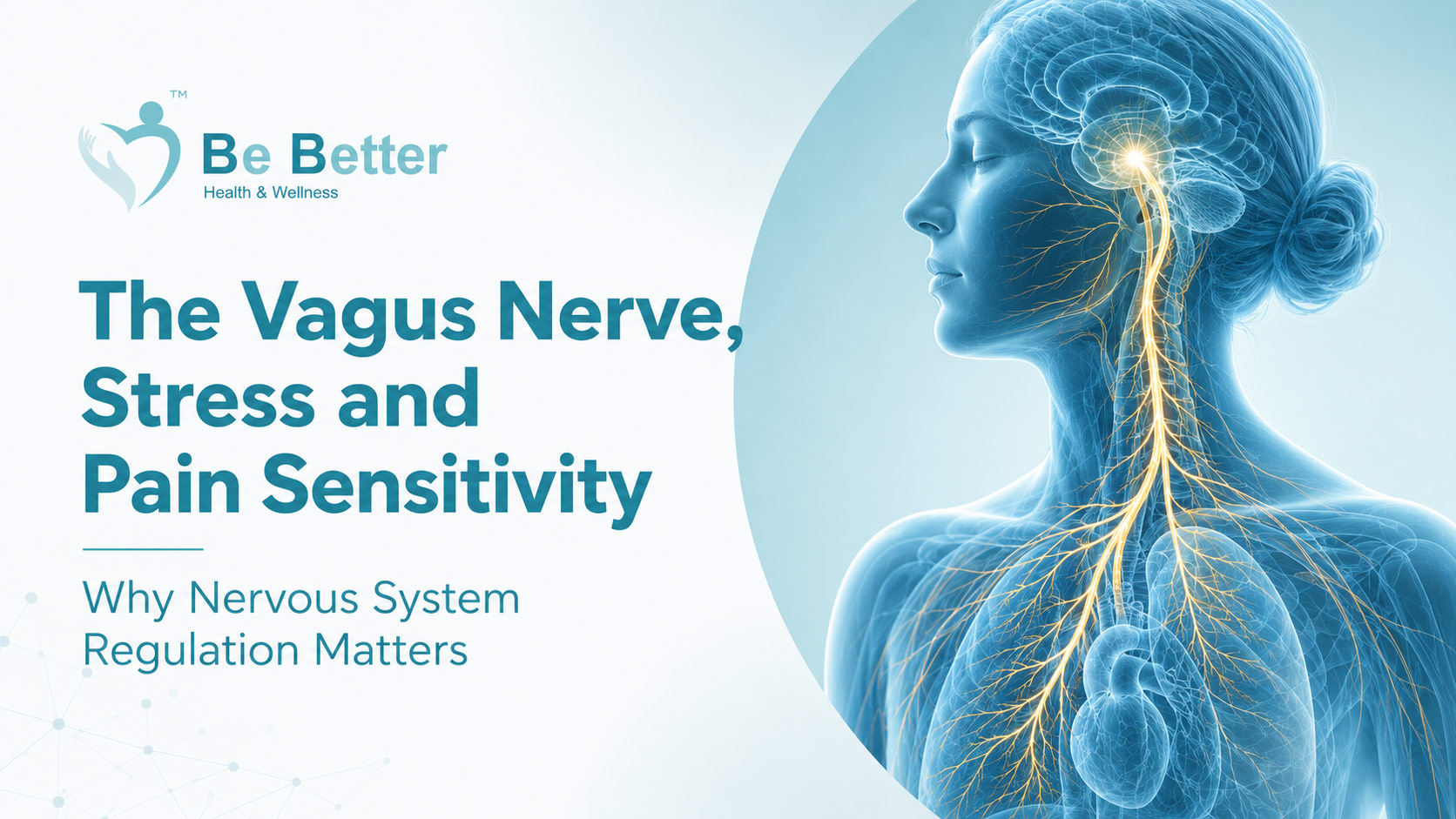
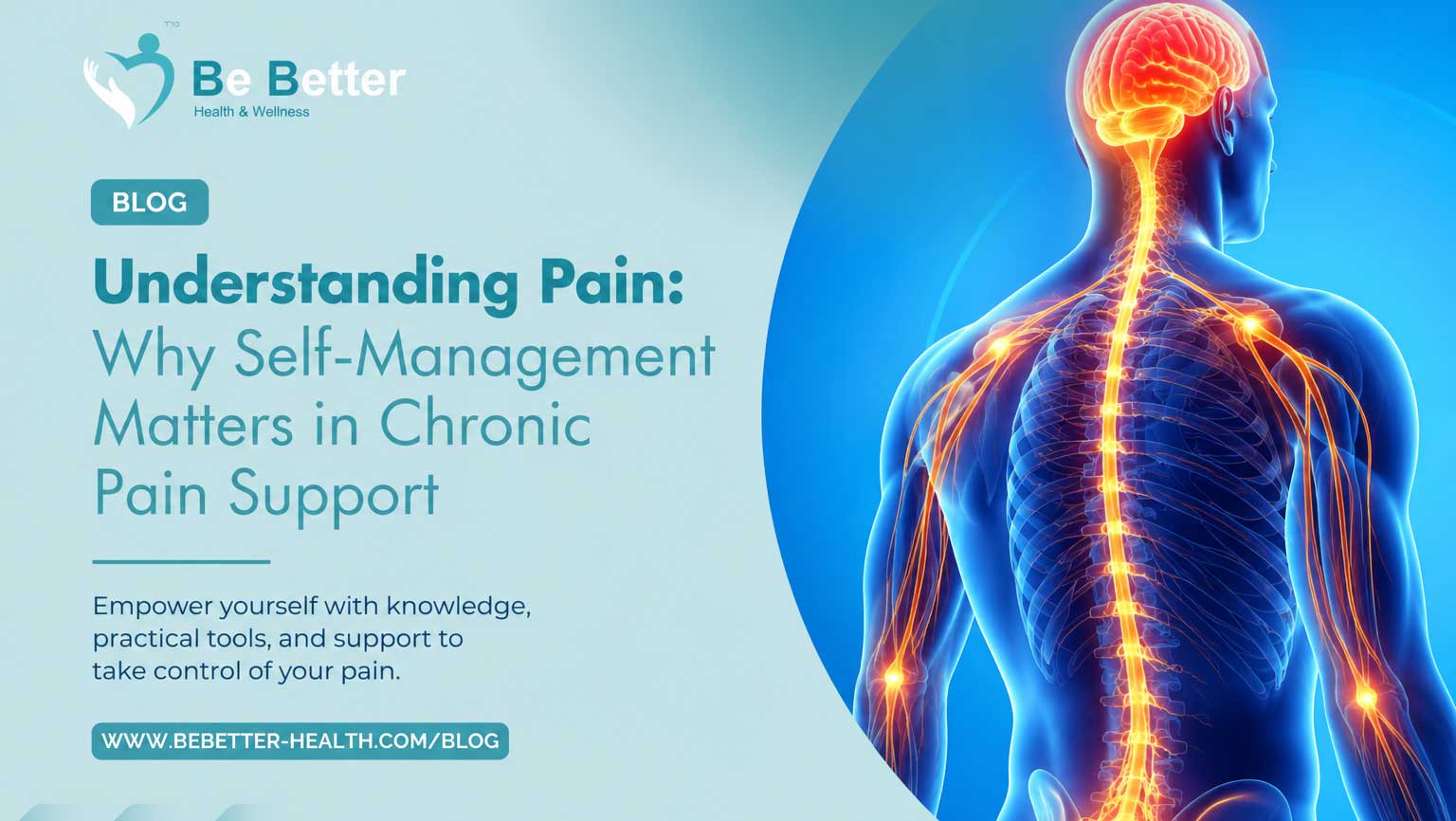
This is because pain is not only physical — it is influenced by the brain, nervous system, and environment.
How Pain Is Processed
Pain is created by the brain based on:
- Sensory input
- Past experiences
- Emotional state
- Stress levels
This means pain can persist even after tissue healing.
The Role of the Nervous System
The nervous system constantly assesses safety and threat.
When the system is dysregulated:
- Pain signals may increase
- The body becomes more sensitive
- Recovery slows down
Stress and Pain Perception
Chronic stress may:
- Increase muscle tension
- Reduce recovery
- Heighten pain sensitivity
This is particularly relevant in modern, high-pressure environments.
The Brain–Body Feedback Loop
Pain influences emotions.
Emotions influence pain.
This creates a loop that can maintain discomfort over time.
Movement and Safety Signals
Gentle movement can help:
- Reassure the nervous system
- Improve circulation
- Reduce stiffness
Avoiding movement entirely may increase sensitivity.
Integrative Support Approach
At Be Better Health, we support:
- Nervous system regulation
- Movement confidence
- Stress awareness
- Lifestyle balance
This approach helps support overall function and wellbeing.
Education Changes the Experience of Pain
Understanding pain mechanisms may:
- Reduce fear
- Improve confidence
- Support better daily choices
The Pain Management Course provides structured education in this area.
When to Seek Medical Advice
Always consult a healthcare professional if symptoms are severe, worsening, or unclear.
Conclusion
Pain is not just in the body — it is influenced by the brain and nervous system.
Understanding this connection may help shift how pain is experienced and managed.
👉 Book an integrative consultation
👉 Learn more through the Pain Management Course