
A Combined Published-Research Reference List for Clients, Patients & Referring Practitioners
Compiled by Berdene Segal, BSc Physiotherapy (University of the Witwatersrand), Advanced Master’s Degree in Integrative Medicine (Tech University), CranioSacral Therapy Practitioner (Upledger Institute) — Integrative Health Practitioner, Be Better Health & Wellness
This compendium brings together published research on CranioSacral Therapy, Acupressure, Photobiomodulation, Neuromuscular Electrical Stimulation, AntiInflammatory Nutrition, the Gut Microbiome, the Oral Microbiome, and Integrative Health & Wellness Counselling — organised by topic below.
A summary of published research on CranioSacral Therapy, acupressure, and electrotherapy modalities (photobiomodulation, low-level laser therapy, and neuromuscular electrical stimulation) as adjunctive, supportive approaches to digestive wellbeing.
Effectiveness of CranioSacral Therapy in Infantile Colic (RCT)
RANDOMIZED CONTROLLED TRIAL Castejón-Castejón et al. · Complementary Therapies in Medicine, 2019
In a randomised trial of 58 infants with colic, those receiving weekly CranioSacral Therapy sessions showed significantly reduced crying hours and colic severity, along with increased sleep, compared with untreated controls. https://pubmed.ncbi.nlm.nih.gov/31780018/
Dose-Response: Number of CST Sessions for Infant Colic Resolution
RANDOMIZED CONTROLLED TRIAL Castejón-Castejón et al. · Complementary Therapies in Medicine, 2022
A follow-up trial examined how many CranioSacral Therapy sessions were needed to resolve infant colic symptoms, comparing outcomes across groups receiving different session counts against an untreated control group.
https://pubmed.ncbi.nlm.nih.gov/36460569/
Neurophysiological Effects of CranioSacral Treatment on Heart Rate Variability
SYSTEMATIC REVIEW & META-ANALYSIS Cureus, 2024
This meta-analysis of heart rate variability studies found that CranioSacral Therapy produced a moderate, short-term increase in parasympathetic (vagal) activity, suggesting a physiological basis for its use in states of sympathetic overactivity — the same autonomic pathway that governs digestive function. https://www.ncbi.nlm.nih.gov/pmc/articles/PMC11329942/
Heart Rate Variability & Autonomic Regulation Following CST
PILOT STUDY PubMed, 2014
A pilot study measuring heart rate variability found autonomic activity indicators increased following a single CranioSacral Therapy session, though this did not reach statistical significance when directly compared with a resting control period — an area flagged for further research.
https://pubmed.ncbi.nlm.nih.gov/24861836/
Vagus Nerve Stimulation in Irritable Bowel Syndrome
LITERATURE REVIEW Frontiers in Immunology, 2026
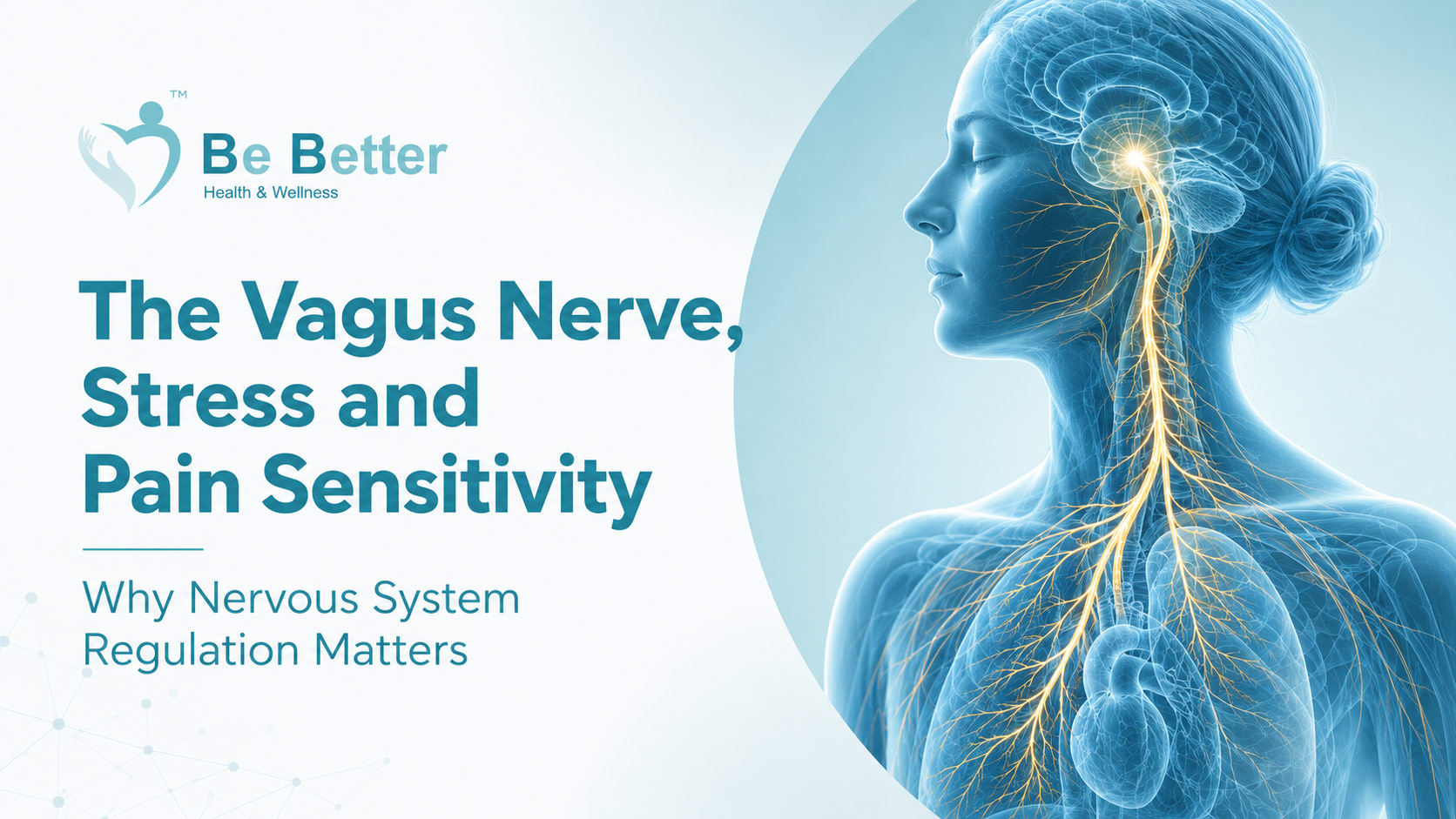
This review outlines how stimulating the vagus nerve can reduce gut inflammation, ease visceral sensitivity, improve motility, and support a healthier balance of gut bacteria — underscoring the vagus nerve’s central role in digestive regulation. https://www.frontiersin.org/journals/immunology/articles/10.3389/fimmu.2026.1769070/full
Efficacy of Vagus Nerve Stimulation in Gastrointestinal Disorders
SYSTEMATIC REVIEW Gastroenterology Report (Oxford Academic), 2025
This review notes that reduced vagal tone is associated with functional gut-brain conditions such as IBS and inflammatory bowel disease, reinforcing the clinical relevance of therapies that support parasympathetic/vagal activity. https://academic.oup.com/gastro/article/doi/10.1093/gastro/goaf009/7979382
Transcutaneous Vagal Nerve Stimulation for GI Disorders
CLINICAL REVIEW PubMed, 2025
This review of randomised trials across functional dyspepsia, gastroparesis, constipation, IBS, and inflammatory bowel disease concludes that enhancing parasympathetic activity via the vagus nerve can meaningfully improve GI symptoms and motility.
https://pubmed.ncbi.nlm.nih.gov/40855855/
The Vagus-Gut Axis: Motility, Digestion & the Microbiome
MECHANISTIC REVIEW Frontiers in Neuroscience, 2024
This review describes how vagal activity supports gastrointestinal motility and secretion, improving digestion and nutrient absorption, while fostering a gut environment that favours beneficial bacteria over pathogenic ones.
https://www.frontiersin.org/journals/neuroscience/articles/10.3389/fnins.2024.1490300/full
Self-Administered Acupressure for Diarrhoea-Predominant IBS (RCT) RANDOMIZED CONTROLLED TRIAL Nurse-led trial, 2025
In this trial of 63 patients with diarrhoea-predominant IBS, participants trained to apply active acupressure at therapeutic points were compared with a shamacupressure group over a four-week home-based programme, supporting acupressure as a low-cost, patient-administered option.
https://www.ncbi.nlm.nih.gov/pmc/articles/PMC11776273/
Acupressure for Postoperative Gastrointestinal Symptoms (MetaAnalysis)
SYSTEMATIC REVIEW & META-ANALYSIS PubMed, 2017
Pooling six randomised trials in abdominal surgery patients, this meta-analysis found acupressure significantly reduced the risk of postoperative nausea and vomiting, and lowered the need for antiemetic medication, compared with control care.
https://pubmed.ncbi.nlm.nih.gov/28830215/
Nurse-Delivered Acupressure & Early Bowel Recovery After Colorectal Surgery
RANDOMIZED CONTROLLED TRIAL PMC, 2023
In 112 colorectal cancer surgery patients, acupressure applied at the ST36 point for five days after surgery significantly shortened the time to first passage of f latus, supporting its feasibility as a nurse-delivered adjunct to enhanced recovery protocols. https://pmc.ncbi.nlm.nih.gov/articles/PMC10199207/
Photobiomodulation in the Management of Bowel Diseases (Critical Review)
CRITICAL REVIEW Lasers in Medical Science, 2024
This review of 72 studies (nine focused specifically on inflammatory bowel disease) positions photobiomodulation as a promising adjunctive approach for intestinal conditions, supporting digestion, nutrient absorption and tissue repair processes within the gut.
https://link.springer.com/article/10.1007/s10103-024-04217-6
Photobiomodulation Therapy & Gut Microbiome Dysbiosis
NARRATIVE REVIEW PMC, 2024
This review describes how red and near-infrared light therapy can support healing, reduce inflammation, and beneficially influence the composition of the gut microbiome, positioning it as a supportive approach for dysbiosis-related digestive conditions.
https://pmc.ncbi.nlm.nih.gov/articles/PMC10835098/
Abdominal NMES for Chronic Constipation in Multiple Sclerosis (Pilot Study)
PILOT STUDY PMC, 2016
This exploratory study of functional electrical stimulation applied to the abdominal muscles in MS patients with chronic constipation examined its effect on whole-gut and colonic transit time, framed as a non-invasive alternative to more invasive sacral nerve stimulation.
https://pmc.ncbi.nlm.nih.gov/articles/PMC4854996/
NMES for Bowel Management in Chronic Spinal Cord Injury (IDEAL 2a Pilot Study)
PILOT STUDY Colorectal Disease (Wiley), 2025
This 16-week trial of home-based abdominal wall NMES, applied before scheduled defecation in people with chronic spinal cord injury, assessed effects on defecation time, bowel transit time, and bowel-related quality of life measures.
https://onlinelibrary.wiley.com/doi/10.1111/codi.70276
Successful Treatment of Chronic Constipation With Abdominal FES (Case Report)
CASE REPORT Journal of Medical Cases, 2013
This case report describes improvement in chronic constipation following functional electrical stimulation of the abdominal muscles, adding to a small but growing body of evidence for electrical stimulation as a supportive tool for colonic motility.
https://www.journalmc.org/index.php/JMC/article/view/1381/798
Anti-Inflammatory Diet Reduces Subclinical Colonic Inflammation in Ulcerative Colitis (RCT) RANDOMIZED CONTROLLED TRIAL PMC, 2022
In this 6-month trial, ulcerative colitis patients in remission following an antiinflammatory diet (higher fibre, probiotics, antioxidants and omega-3s; lower red meat, processed meat and added sugar) showed a significantly better subclinical response, measured by faecal calprotectin, than those on standard dietary guidance.
https://www.ncbi.nlm.nih.gov/pmc/articles/PMC9414437/
Anti-Inflammatory Dietary Interventions in IBD: Current Insights
REVIEW Frontiers in Nutrition, 2026
This review outlines a phase-based dietary framework for inflammatory bowel disease: Mediterranean-style eating during active inflammation, structured lowFODMAP approaches for overlapping IBS-type symptoms in quiescent disease, and sustainable whole-food, anti-inflammatory patterns for long-term remission. https://www.frontiersin.org/journals/nutrition/articles/10.3389/fnut.2026.1817465/full
Anti-Inflammatory Dietary Pattern & Microbiota Profile in IBD (Pilot RCT)
PILOT RANDOMIZED CONTROLLED TRIAL European Journal of Clinical Nutrition, 2024
This pilot trial compared a modified anti-inflammatory dietary pattern (with meals provided) against general healthy eating advice in adults with IBD, finding good adherence and meaningful within-group improvements in symptoms, quality of life, and faecal calprotectin over 8 weeks.
https://www.nature.com/articles/s41430-024-01487-9
An Anti-Inflammatory Diet as Treatment for IBD (Case Series)
CASE SERIES PubMed, 2014
This case series exploring the IBD Anti-Inflammatory Diet (IBD-AID) as an adjunct dietary therapy found encouraging clinical potential, with the authors calling for larger randomised trials to confirm the findings. https://pubmed.ncbi.nlm.nih.gov/24428901/
CranioSacral Therapy, acupressure, photobiomodulation and neuromuscular electrical stimulation are offered at Be Better Health & Wellness as adjunctive, supportive modalities alongside conventional medical care and are not a substitute for diagnosis or treatment by a qualified medical practitioner. The studies summarised above reflect the current published literature; the evidence base for each modality varies in size and quality, and much of the NMES and photobiomodulation research is drawn from small pilot studies, case reports, or populations with specific conditions (such as spinal cord injury or multiple sclerosis) rather than the general population. This page will be updated as further research is published.
A summary of published research on how the gut microbiome influences immune function, brain health, and autoimmune conditions — relevant to a whole-body, integrative approach to wellbeing.
Gut Microbiome, Immune Modulation & Cognitive Decline
REVIEW Frontiers in Immunology, 2025
This review describes how gut bacteria produce short-chain fatty acids and other metabolites that influence mucosal immunity and immune responses, with downstream effects on cognitive function relevant to conditions such as dementia and Parkinson’s disease.
https://pmc.ncbi.nlm.nih.gov/articles/PMC11794507/
The Gut Microbiota-Immune-Brain Axis: Therapeutic Implications
REVIEW Cell Reports Medicine, 2025
This review examines how gut microbiota interact with the brain through innate and adaptive immune pathways, highlighting the microbiome’s role in neuroinflammation and its relevance to conditions affecting gut-brain communication.
https://www.cell.com/cell-reports-medicine/fulltext/S2666-3791(25)00055-2
The Gut-Brain Connection: Microbes’ Influence on Mental Health REVIEW Frontiers in Microbiomes, 2025 This review discusses how gut microbial communities influence neurodevelopment and behaviour via the vagus nerve, immune signalling, and microbiota-derived metabolites, and how dysbiosis has been linked to mood and anxiety-related symptoms. https://www.frontiersin.org/journals/microbiomes/articles/10.3389/frmbi.2025.1701608/full
Gut Health & Autoimmune Diseases (Systematic Review & MetaAnalysis)
SYSTEMATIC REVIEW & META-ANALYSIS PMC, 2025
Drawing on 10 studies across lupus, rheumatoid arthritis, multiple sclerosis, type 1 diabetes and other autoimmune conditions, this review found consistent patterns of reduced microbial diversity and gut barrier disruption, with probiotics, dietary modulation and faecal microbiota transplantation showing positive effects on disease activity.
https://pmc.ncbi.nlm.nih.gov/articles/PMC12404852/
Microbiome-Modulating Therapies & Inflammatory Markers in Autoimmune Disease
SYSTEMATIC REVIEW & META-ANALYSIS MDPI Nutrients, 2026
Pooling 28 randomised trials across 11 autoimmune conditions, this metaanalysis found probiotic and related gut-targeted therapies significantly reduced inflammatory markers CRP and TNF-alpha, supporting the gut-immune axis as a therapeutic target.
https://www.mdpi.com/2072-6643/18/4/560
Gut Microbiota, Intestinal Permeability & Systemic Inflammation
NARRATIVE REVIEW PMC, 2024
This review explains how disruption of the intestinal barrier (“leaky gut”) allows bacterial metabolites to enter circulation, connecting gut health to the development and progression of metabolic and autoimmune conditions including obesity, fatty liver disease, and inflammatory bowel disease. https://www.ncbi.nlm.nih.gov/pmc/articles/PMC10954893/
Vitamin D, Gut Microbiome & Systemic Autoimmunity
REVIEW PMC
This review explores how vitamin D deficiency, common across autoimmune conditions, may contribute to disease by altering gut microbiome composition and intestinal barrier integrity — highlighting a nutritional angle relevant to integrative gut-immune support.
https://www.ncbi.nlm.nih.gov/pmc/articles/PMC6985452/
Gut microbiome-targeted approaches (dietary modulation, probiotics, and lifestyle strategies) are offered at Be Better Health & Wellness as adjunctive, supportive measures alongside conventional medical care and are not a substitute for diagnosis or treatment by a qualified medical practitioner. The evidence summarised above spans mechanistic reviews and clinical trials of varying size and quality; this is a fast-moving research area, and this page will be updated as further research is published.
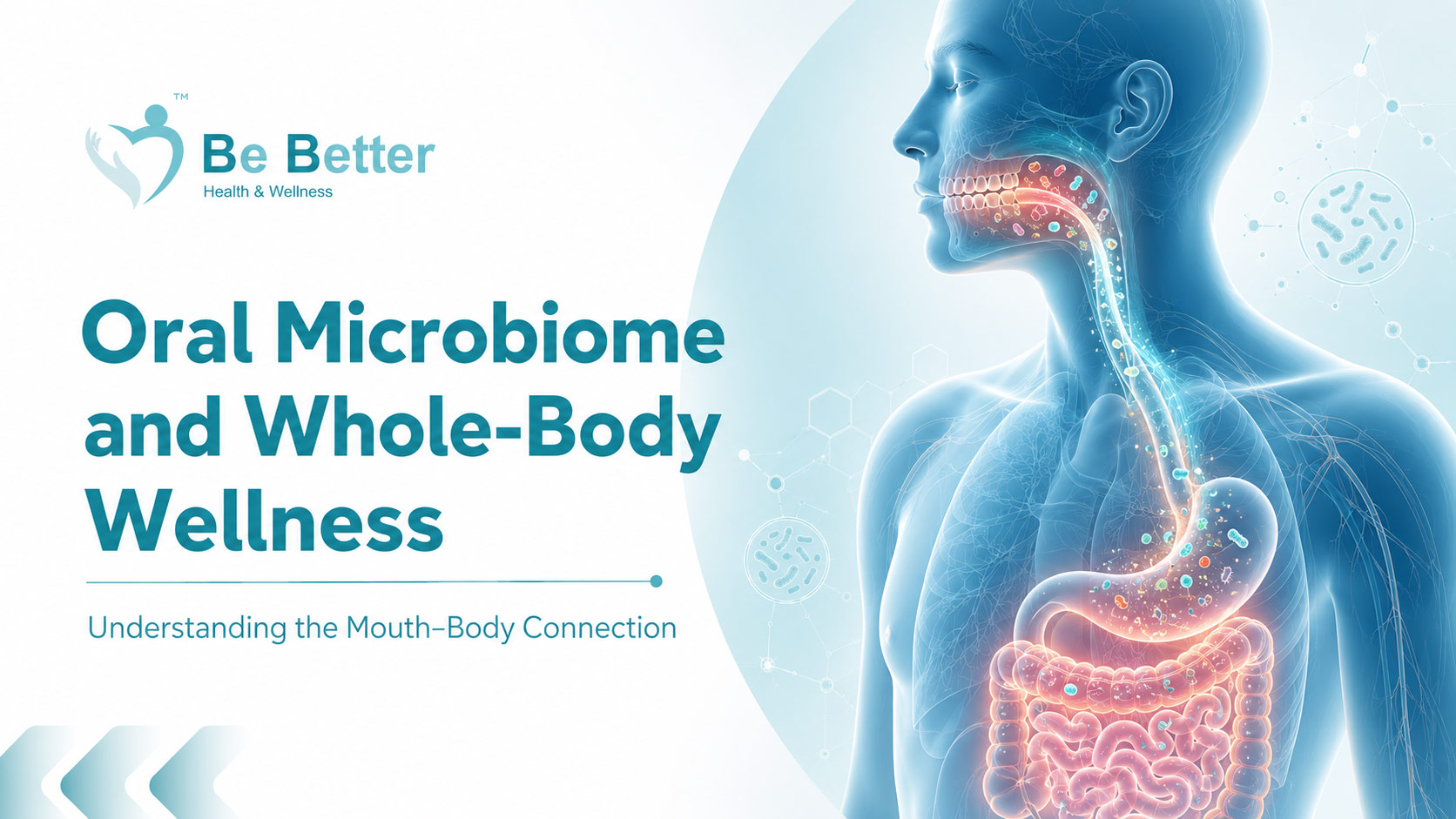
A summary of published research on the oral microbiome, its connections to cardiovascular, metabolic and gut health, and its relevance to a whole-body approach to jaw, head and neck care.
Oral Microbiome: A Review of Its Impact on Oral and Systemic Health
REVIEW PMC, 2024
This comprehensive review outlines how disruption of the oral microbiome contributes not only to dental caries, gum disease and bad breath, but also to emerging associations with cardiovascular disease, diabetes, cognitive disorders, and inflammatory bowel disease. https://pmc.ncbi.nlm.nih.gov/articles/PMC11434369/
The Oral Microbiome and Systemic Health: Bridging Dentistry and Medicine
REVIEW PMC, 2025
This review examines the mechanistic pathways linking oral dysbiosis to systemic inflammation, endothelial dysfunction, and immune modulation, connecting oral pathogens to cardiovascular disease, adverse pregnancy outcomes, and respiratory disease. https://www.ncbi.nlm.nih.gov/pmc/articles/PMC11909285/
The Systemic Link Between Oral Health and Cardiovascular Disease
NARRATIVE REVIEW PMC, 2025
Reviewing 25 years of literature, this study confirms strong associations between periodontal disease and cardiovascular disease, mediated by oral microbiota imbalance and systemic inflammation, and calls for interventional trials on whether periodontal therapy improves cardiovascular biomarkers. https://pmc.ncbi.nlm.nih.gov/articles/PMC12651253/
Molecular Crosstalk Between Periodontal and Cardiovascular Diseases
SYSTEMATIC REVIEW PMC
This systematic review details how “red complex” periodontal bacteria influence cardiovascular health through inflammatory pathways, immune modulation, and microbial dissemination into the bloodstream.
https://www.ncbi.nlm.nih.gov/pmc/articles/PMC11941040/
Oral Microbiome: Connections to Cardiovascular Disease & Metabolic Conditions
CLINICAL SUMMARY Institute for Functional Medicine
Summarising a 2024 umbrella review of 41 systematic reviews, this piece affirms a significant association between periodontal disease and cardiovascular disease, pointing to dysbiotic oral bacteria and systemic inflammation as the likely shared mechanism. https://www.ifm.org/articles/oral-microbiome-and-cardiometabolic
The Oral-Gut Microbiota Axis: A Link in Cardiometabolic Diseases
REVIEW npj Biofilms and Microbiomes, 2025
This review describes how oral pathogens such as Porphyromonas gingivalis can translocate to the gut and trigger insulin resistance, and notes that severe periodontitis has been associated with a substantially increased incidence of diabetes.
https://www.nature.com/articles/s41522-025-00646-5
The Oral-Gut-Systemic Axis: Periodontitis, Dysbiosis & Systemic Disease
REVIEW Diagnostics (MDPI), 2025
This review frames the oral-gut axis as bidirectional: swallowed oral bacteria can disrupt the gut barrier and worsen systemic inflammation, while gut dysbiosis can in turn worsen periodontal tissue destruction — pointing toward integrated oral-and-gut care strategies. https://www.ncbi.nlm.nih.gov/pmc/articles/PMC12609195/
Periodontal Bacteria Influence Systemic Diseases Through the Gut Microbiota
REVIEW Frontiers in Cellular and Infection Microbiology, 2024
This review discusses evidence that periodontal treatment can measurably shift gut microbial composition, supporting the idea that maintaining oral health may have protective effects that extend well beyond the mouth.
https://www.frontiersin.org/journals/cellular-and-infection-microbiology/articles/10.3389/ fcimb.2024.1478362/full
Oral health assessment and referral form part of a whole-body approach at Be Better Health & Wellness, particularly within jaw, head and neck (TMD/TMJ) care, and are offered as adjunctive, supportive context alongside conventional dental and medical care — not a substitute for diagnosis or treatment by a qualified dentist or physician. The studies summarised above reflect the current published literature; this page will be updated as further research is published.
A summary of published research supporting health and wellness coaching / integrative health counselling as an effective, evidence-based component of chronic condition management.
Health & Wellness Coaching: Effectiveness Across Chronic Conditions Health & Wellness Coaching’s Impact on Patient-Important Outcomes (Systematic Review & Meta-Analysis)
SYSTEMATIC REVIEW & META-ANALYSIS Patient Education and Counseling, 2023
This meta-analysis found health and wellness coaching improved quality of life, self-efficacy, and depression symptoms across a range of chronic illness populations, while noting the field would benefit from more standardised reporting of intervention components.
https://pmc.ncbi.nlm.nih.gov/articles/PMC10964774/
An Evidence-Based Rationale for Health & Wellness Coaching
REVIEW PMC (Osher Center for Integrative Health), 2024
This review from the University of Vermont’s Osher Center for Integrative Health describes health and wellness coaching as an effective intervention for the chronic lifestyle diseases that make up the majority of the modern healthcare burden.
https://pmc.ncbi.nlm.nih.gov/articles/PMC10979724/
A Systematic Review of the Literature on Health & Wellness Coaching
SYSTEMATIC REVIEW PubMed, 2014
This PRISMA-guided systematic review compiled data on the operational definitions, features, and training standards used across the peer-reviewed health and wellness coaching literature, helping to formalise the field as a recognised behavioural intervention.
https://pubmed.ncbi.nlm.nih.gov/24416684/
Health & Wellness Coaching for Chronic Pain
STUDY PMC, 2020
This study found health and wellness coaching positively impacted individuals experiencing chronic pain and pain-related interference, consistent with prior evidence of benefit in diabetes, cardiovascular disease and cancer populations.
https://www.ncbi.nlm.nih.gov/pmc/articles/PMC7384647/
Integrative Health Coaching: In Clinical Settings
Integrative Health Coaching: Accumulating Research at Duke Integrative Medicine RESEARCH SUMMARY BMC Complementary and Alternative Medicine, 2012
Summarising three randomised controlled trials from Duke Integrative Medicine, this research found integrative health coaching improved 10-year cardiovascular risk scores faster and more substantially than usual care in a cardiovascular disease prevention trial.
https://www.ncbi.nlm.nih.gov/pmc/articles/PMC3373441/
Advancing a New Evidence-Based Professional: Job Task Analysis for Health & Wellness Coaches PROFESSIONAL STANDARDS STUDY PMC
This study, conducted through the National Consortium for Credentialing Health and Wellness Coaches, describes the effort to establish consistent role definitions and competencies for health and wellness coaches, supporting the field’s professionalisation and safe scope of practice. https://www.ncbi.nlm.nih.gov/pmc/articles/PMC4924333/
Health Coaching Interventions for Persons With Chronic Conditions (Protocol)
SYSTEMATIC REVIEW PROTOCOL PubMed, 2016
This protocol for a systematic review and meta-analysis set out to evaluate how health coaching affects clinically important, disease-specific, and functional outcomes for people living with chronic conditions, using the Theory of Patient Capacity as its guiding framework.
https://pubmed.ncbi.nlm.nih.gov/27585627/
Integrative health and wellness counselling is offered at Be Better Health & Wellness as an adjunctive, supportive service alongside conventional medical care, and is not a substitute for diagnosis or treatment by a qualified medical practitioner. The evidence base for health and wellness coaching is growing but still developing in terms of standardisation; the studies summarised above reflect the current published literature, and this page will be updated as further research is published.
The studies gathered here were selected to illustrate the supportive research base for the modalities and approaches offered at Be Better Health & Wellness. As with any evidence compendium of this kind, it reflects published, generally positive f indings rather than an exhaustive, balanced systematic review including negative or null results. Where a study’s findings were limited or did not reach statistical significance, this has been noted directly in the summary. All modalities are offered as adjunctive and supportive to conventional medical care, not as a replacement for diagnosis or treatment by a qualified medical practitioner.