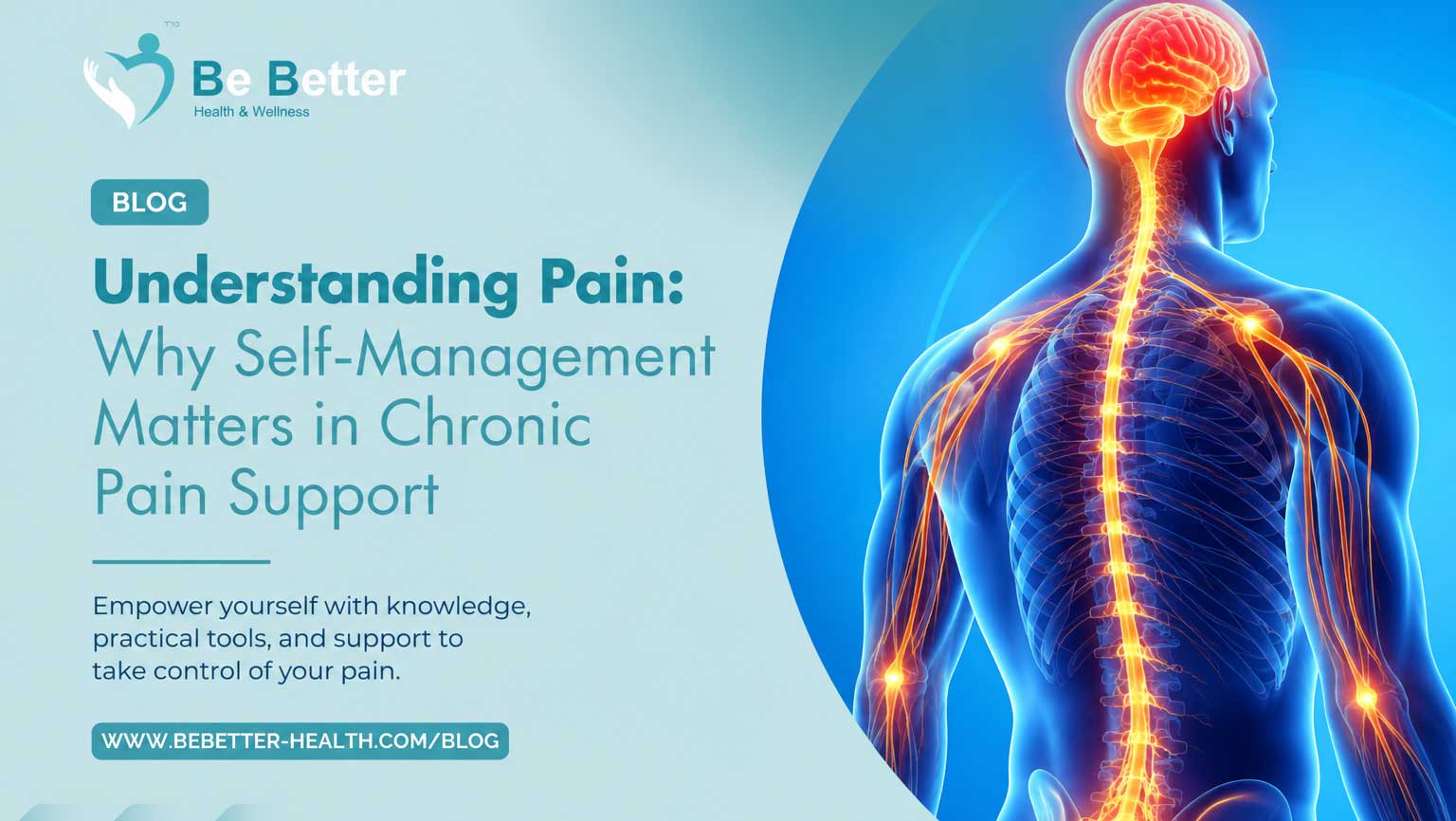
Many individuals living with chronic pain notice something important:
Pain worsens during periods of stress.
This is not imagined, it reflects the close relationship between stress physiology and pain sensitivity.
Understanding this connection can help shift how chronic pain is managed.
How Stress Affects the Body
When the body experiences stress, the nervous system activates the fight-or-flight response.
This leads to:
- Increased muscle tension
- Heightened alertness
- Increased inflammation markers
- Reduced pain threshold
When stress becomes persistent, the nervous system may remain in a heightened state, making pain feel more intense or more frequent.
The Stress–Pain Cycle
Chronic pain can create stress.
Stress can increase pain sensitivity.
This becomes a reinforcing loop.
In South Africa, common stress contributors include:
- Financial pressure
- Load-shedding disruptions
- Work-related strain
- Long commutes
- Chronic illness burden
Over time, stress and pain may amplify each other.
The Role of the Vagus Nerve
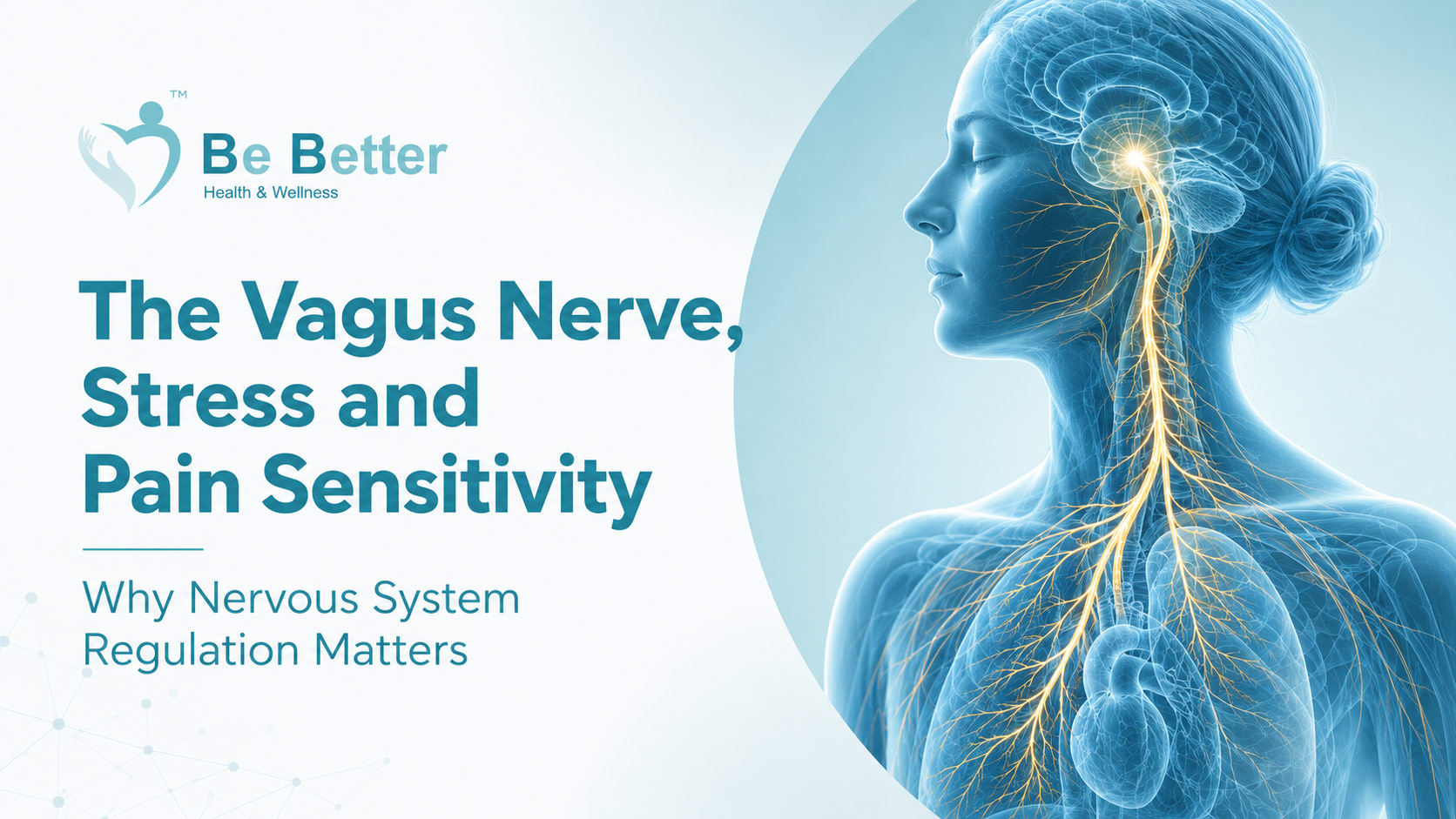
The vagus nerve plays an important role in calming the nervous system.
When vagal tone is reduced, the body may struggle to shift out of stress mode. Supporting vagus nerve function may assist in improving stress resilience and pain regulation.
Integrative Support Strategies
At Be Better Health, integrative consultations may focus on:
- Nervous system regulation
- Stress pattern awareness
- Breathing and regulation strategies
- Gentle movement and mobility
- Lifestyle and sleep optimisation
This approach does not replace medical treatment but supports regulation and resilience.
When to Seek Medical Advice
If pain is severe, worsening, or associated with neurological symptoms, consult your GP or specialist.
Chronic pain is not only structural. It is deeply connected to nervous system regulation.
Supporting stress resilience may influence how pain is experienced.
👉 Book an integrative consultation