Committing to Your New Year’s Resolutions
An Integrative Health Approach
As we step into a new year, many of us feel that familiar surge of motivation—the desire to exercise more, eat better, manage stress, and ultimately feel healthier and more fulfilled. Yet by February, our carefully crafted resolutions often fade into the background of daily life. At Be Better Health and Wellness, we understand why this happens, and more importantly, we know how to help you succeed using an integrative health approach that honors the whole person.
The traditional New Year’s resolution typically focuses on isolated behavioral changes: “I will go to the gym five times a week” or “I will eat no sugar.” While these goals have merit, they often fail because they address only one dimension of human wellbeing. Integrative health teaches us something more profound: sustainable change requires us to engage with our body, brain, and being simultaneously.
Understanding Your Whole Self: The Body-Brain-Being Framework
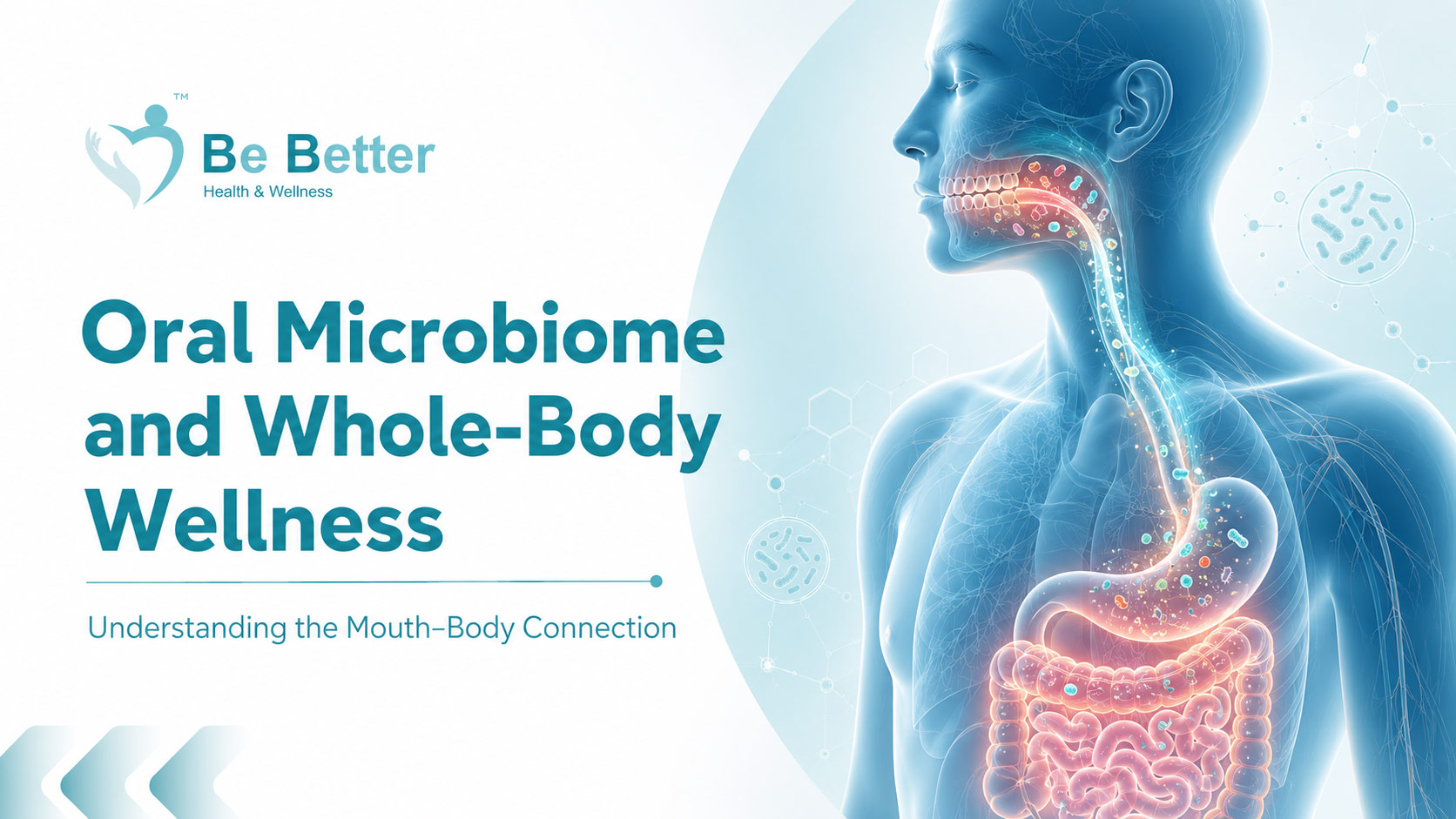
Integrative health recognizes that you are not simply a collection of separate parts to be fixed in isolation. Your body, brain, and being are deeply interconnected through complex systems—what we call the gut-brain-immune axis—that influence every aspect of your health and capacity for change.
When you make a resolution to improve your health, you are not just asking your muscles to work harder or your digestive system to process different foods. You are asking your nervous system to adapt, your mind to shift its patterns, and your spirit to align with new values and intentions. When we ignore any of these dimensions, our resolutions crumble under the weight of incomplete support.
The Body: Building Sustainable Physical Foundations
Your body’s capacity to change is remarkable, but it thrives on consistency and self-compassion rather than punishment. If your resolution involves movement—whether that’s exercise, stretching, or rehabilitative activity—consider starting small and building gradually. The temptation to overhaul everything at once often leads to injury, burnout, or discouragement.
Instead, choose movement that feels good in your body. If you hate running, don’t commit to marathon training. If high-intensity workouts leave you depleted, explore gentler modalities like Pilates, yoga, tai chi, or walking. When you enjoy your physical practice, consistency becomes natural rather than forced.
Equally important is nutrition that truly nourishes. Rather than restrictive dieting, think about adding in—whole foods, fermented foods that support your gut health, anti-inflammatory choices that reduce pain and enhance vitality. When you nourish your body with genuine care, you send a powerful message to your nervous system: “I matter, and I’m worth caring for.”
Finally, prioritize sleep and recovery. These are not luxuries—they are the foundation upon which all other health practices rest. Your body rebuilds itself during sleep, and without adequate rest, even the best intentions will falter.
The Brain: Rewiring Thought Patterns and Stress Responses
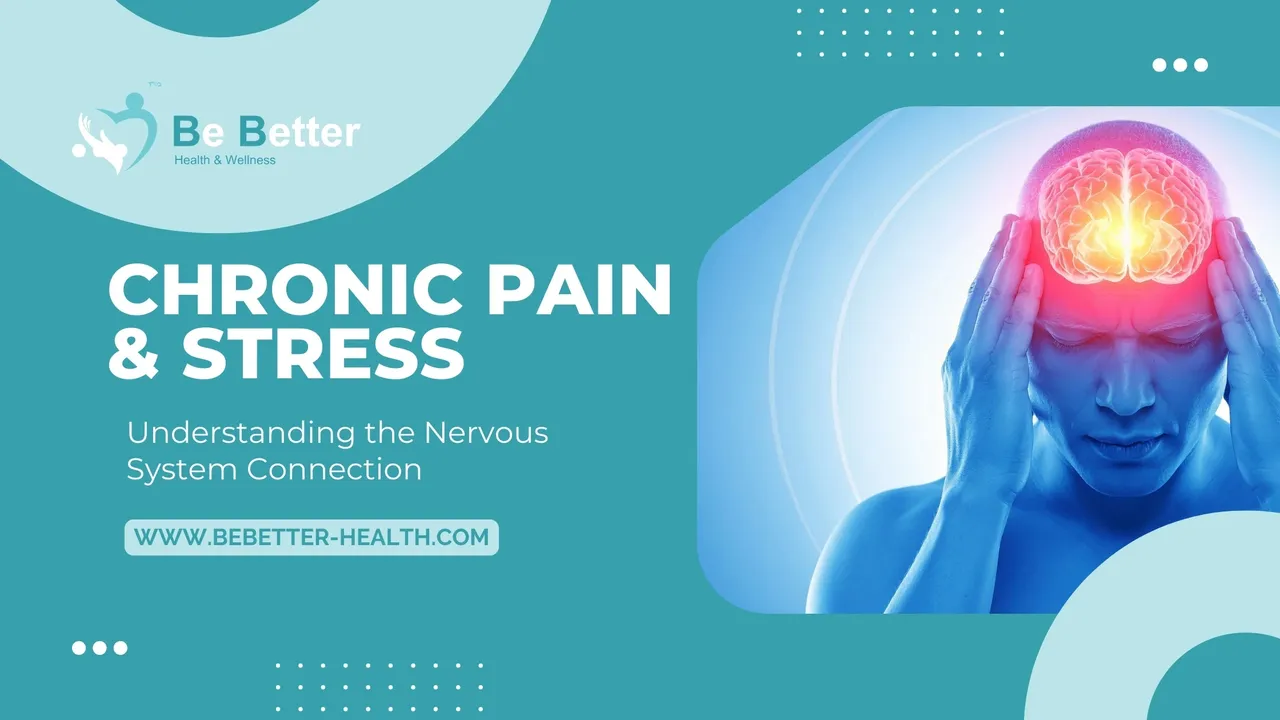
Your brain is endlessly adaptable, yet it is also deeply habitual. Most of our patterns—both positive and negative—operate beneath conscious awareness. A resolution that ignores the brain’s powerful role in maintaining old patterns is destined to struggle.
Begin by examining the thoughts and beliefs beneath your resolution. Are you driven by genuine desire for wellness, or by shame and criticism? Research consistently shows that self-compassion and positive motivation lead to lasting change far more effectively than self-judgment and fear.
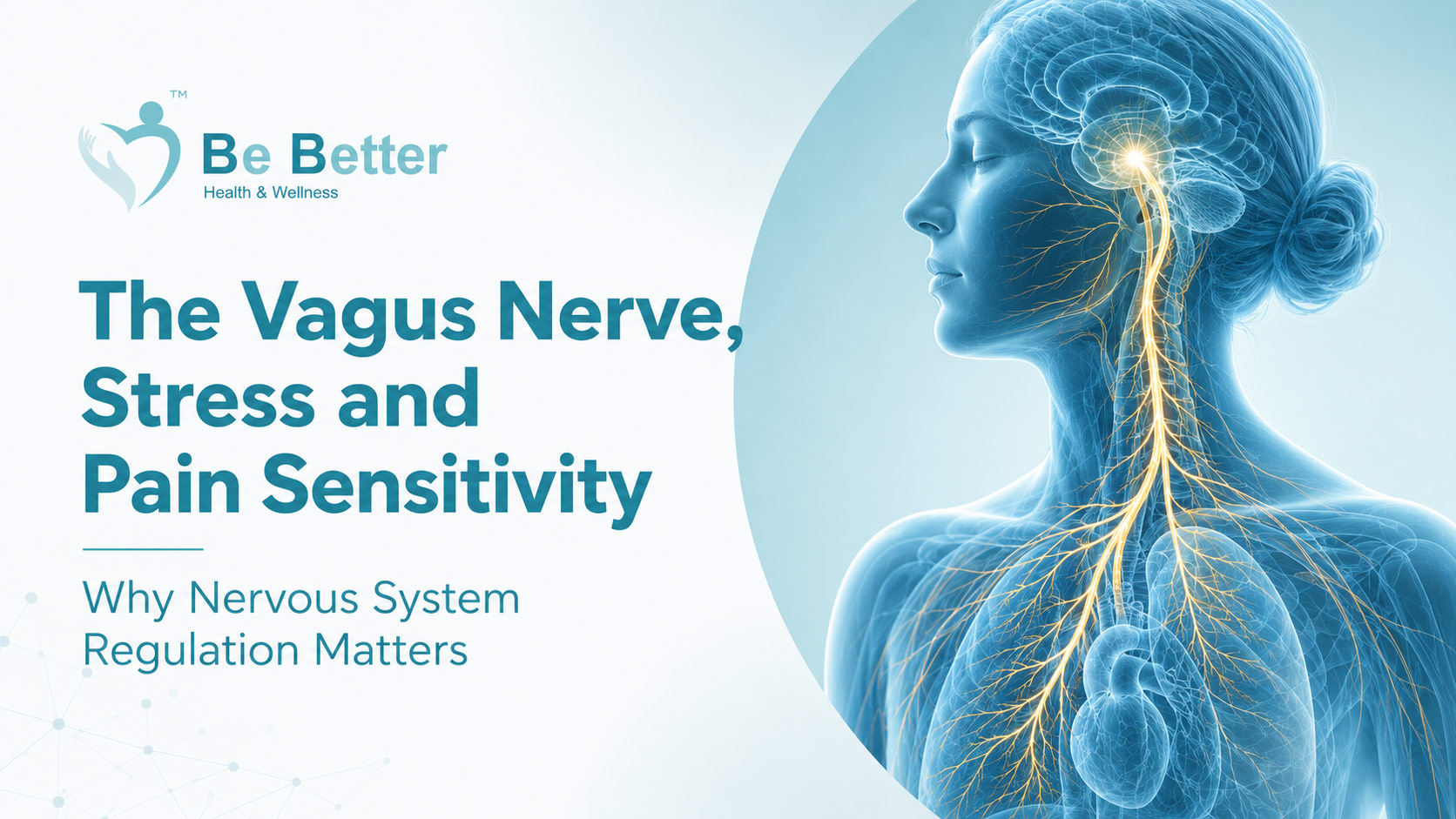
Practical brain-centered strategies include meditation, breathwork, and mindfulness—practices that help you observe your thoughts without judgment and gradually shift your nervous system’s default setting from stress to calm. When your nervous system feels safer, you naturally make better choices about food, movement, and rest.
Additionally, consider working with a practitioner trained in mind-body approaches. Modalities like craniosacral therapy, which works with your nervous system’s deepest patterns, can help release the physical and emotional blocks that sabotage your best intentions.
Finally, address stress actively. Burnout and chronic stress are epidemic, and they undermine every health goal. Integrative approaches to stress management—from herbal support to bodywork to meaningful rest—are not indulgences; they are essential components of sustainable wellness.
The Being: Aligning Your Resolution With Your Values
Perhaps the most overlooked dimension of lasting change is meaning and purpose. When your resolution is disconnected from your deepest values, it becomes another “should” rather than a genuine expression of who you are.
Take time to ask yourself: Why does this resolution matter to me? What kind of life am I creating through this change? How does this goal connect to what I most value?
For many people, wellness is not an end in itself but a means to something deeper—more energy to spend with loved ones, the strength to pursue meaningful work, the presence to fully engage with life, or the vitality to contribute to your community.
When you connect your resolution to your being—to your values, purpose, and spiritual wellbeing—it becomes sustainable. You are no longer forcing change through willpower alone; instead, you are naturally drawn toward choices that express who you are and who you wish to become.
Bringing It Together: Your Integrative Resolution Practice
As you move forward with your New Year’s resolutions, consider this integrative framework:
Start with curiosity, not criticism. Ask yourself what would serve your whole self—body, brain, and being—not what you think you “should” do.
Address all three dimensions. If your goal is improved health, consider how you will support your body through movement and nourishment, your brain through stress management and nervous system regulation, and your being through connection to meaning and purpose.
Practice self-compassion. Change is messy. You will have days when you don’t follow through perfectly, and that is okay. What matters is the gentle return to your practice, again and again. This itself is a profound form of healing.
Seek support. Working with integrative health practitioners—whether wellness coaches, nutritionists, or other health professionals trained in mind-body approaches—can dramatically increase your success. You need not navigate change alone.
Measure beyond the scale. Notice subtle shifts: increased energy, better sleep, clearer thinking, improved mood, reduced pain, deeper presence with loved ones. These qualitative measures often matter more than any number on a scale.
Moving Forward
Your capacity to change is not determined by willpower or discipline alone. It emerges from honoring your whole self—body, brain, and being—and creating conditions where change becomes not a struggle but a natural expression of self-care and self-love.
This year, as you commit to your resolutions, remember that you are not just changing behaviors. You are investing in yourself. You are affirming that you are worth caring for. And that intention, held with gentleness and supported by integrative practices, is where lasting change truly begins.
Be better. Not by force, but by care. Not by isolation, but by wholeness. Not by denial, but by nourishment. This is integrative health, and this is how resolutions become reality.
At Be Better Health and Wellness, we specialize in helping you create sustainable health changes through integrative approaches that honor your whole self. Whether through craniosacral therapy, pain management coaching, or wellness consultations, we’re here to support your journey. Reach out to learn how we can help you turn your 2025 resolutions into lasting wellbeing.
Share it :
Latest Post