Lower back pain is one of the most common health complaints globally, and increasingly in South Africa, especially among desk workers and individuals with sedentary lifestyles. However, not all lower back pain is the same.
A common question is:
“Is this just lower back pain, or is it sciatica?”
Understanding the difference is important, because nerve-related pain behaves differently from muscular or mechanical pain. Clarity can influence how you approach movement, posture, and long-term management.
What Is Lower Back Pain?
Lower back pain typically refers to discomfort located in the lumbar region. It may feel like:
- Dull aching pain
- Stiffness
- Muscle tightness
- Pain worsened by movement or prolonged sitting
Common contributors include:
- Poor posture
- Prolonged desk work
- Muscle strain
- Reduced mobility
- Stress-related muscle tension
Lower back pain is often mechanical, meaning it relates to muscles, joints, and movement patterns.
What Is Sciatica?
Sciatica refers to pain associated with irritation or compression of the sciatic nerve, which runs from the lower back down through the buttock and into the leg.
Common symptoms of sciatica include:
- Pain radiating down one leg
- Tingling or numbness
- Burning sensation
- Electric or shooting pain
- Weakness in the leg
Unlike muscular lower back pain, sciatica often travels below the knee and may feel sharp or nerve-like.
Sciatica vs Lower Back Pain: Key Differences
Feature
Lower Back Pain
Sciatica
Location
Localised in lower back
Radiates down leg
Sensation
Aching, stiff
Sharp, burning, electric
Nerve symptoms
Rare
Common (tingling, numbness)
Movement impact
May improve with gentle movement
May worsen with certain positions
Why the Nervous System Matters
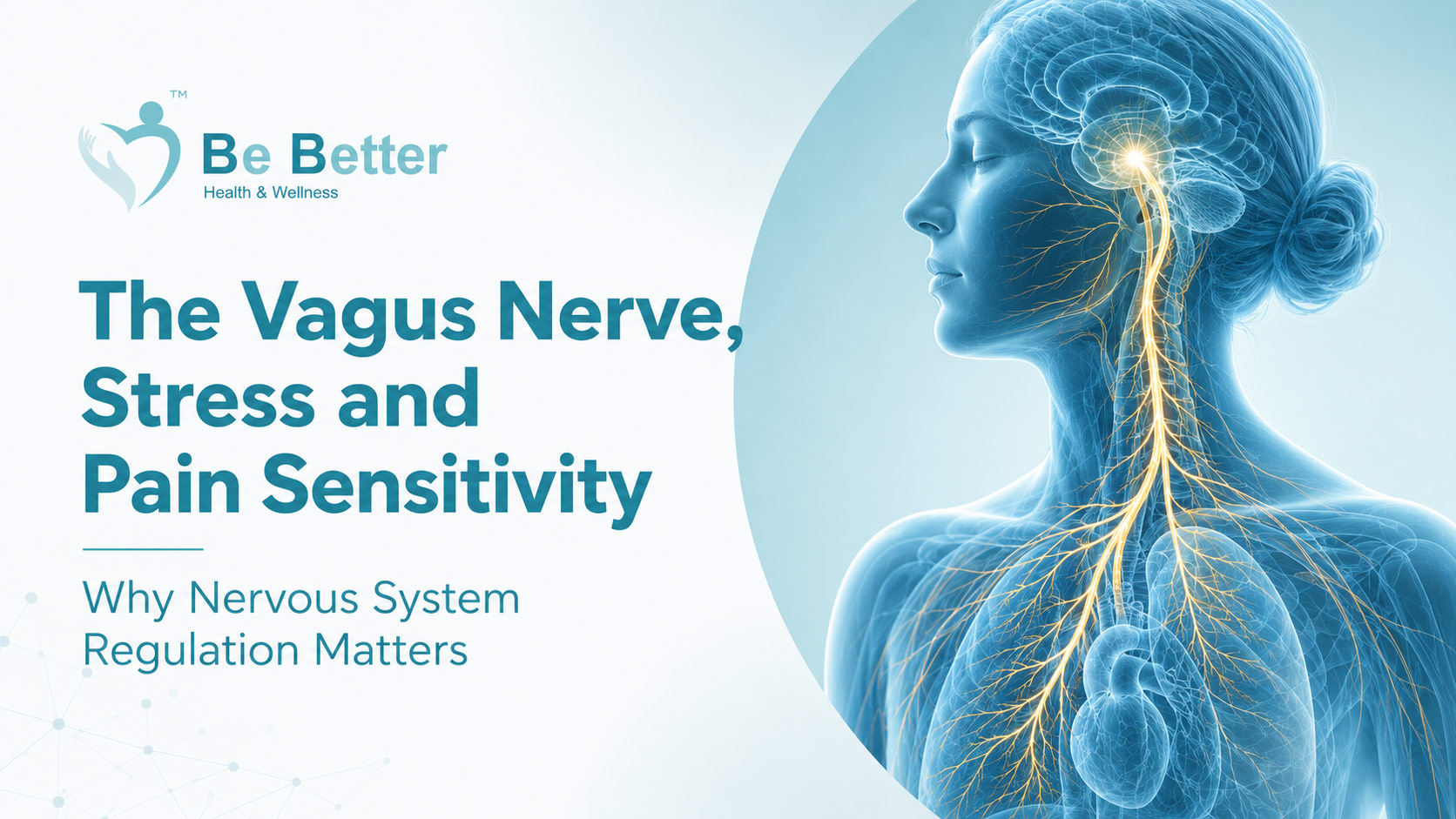
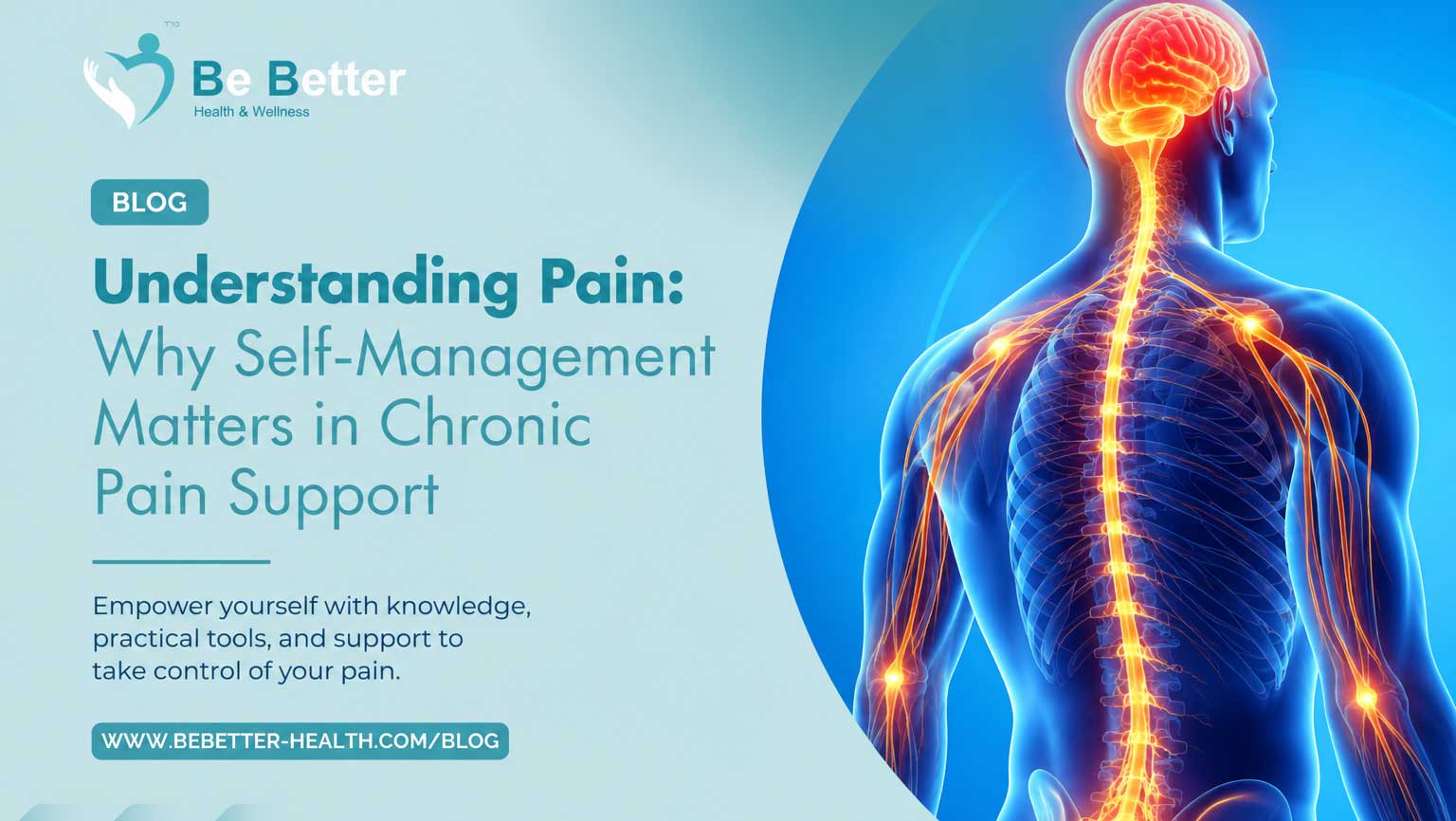
Pain is not only structural. It involves the nervous system.
When pain becomes persistent, the nervous system may become more sensitive. Stress, inflammation, sleep disruption, and reduced movement can all influence pain perception.
In South Africa, rising workplace stress, sedentary habits, and long commuting hours may contribute to both lower back pain and nerve sensitivity.
Understanding this connection is a key part of effective self-management.
Supportive Integrative Strategies
An integrative approach may include:
- Postural assessment and correction
- Gentle mobility and movement support
- Nervous system regulation strategies
- Stress management techniques
- Lifestyle and inflammation awareness
These strategies are designed to support regulation and function, alongside appropriate medical care.
When to See a Medical Professional
Seek medical advice if you experience:
- Progressive weakness
- Loss of bladder or bowel control
- Severe, worsening pain
- Trauma-related injury
Always consult your GP or specialist for diagnosis and medical treatment.
How Be Better Health Supports You
At Be Better Health, integrative consultations focus on:
- Understanding contributing factors
- Supporting nervous system regulation
- Addressing posture and movement patterns
- Encouraging structured self-management
👉 Book a consultation (Johannesburg & surrounds)