Chronic Pain and Inflammation: Understanding the Hidden Drivers of Ongoing Discomfort
Introduction
Chronic pain is becoming increasingly common in South Africa, affecting individuals across all age groups — from desk-bound professionals to those managing long-term health conditions.
While pain is often treated as a structural issue, research and clinical observation suggest that inflammation and nervous system sensitivity play a significant role in how pain develops and persists.
Understanding these underlying factors is key to better long-term management.
What Is Chronic Pain?
Chronic pain is typically defined as pain lasting longer than 3 months.
It may present as:
- Persistent lower back pain
- Neck and shoulder tension
- Joint discomfort
- Headaches
- Widespread body pain
Unlike acute pain, chronic pain is often influenced by multiple systems in the body — not just the original injury site.
The Role of Inflammation
Inflammation is the body’s natural response to injury or stress. However, when inflammation becomes chronic or low-grade, it may contribute to ongoing discomfort.
Common contributors to inflammation include:
- Poor diet (highly processed foods)
- Chronic stress
- Lack of movement
- Sleep disruption
- Gut health imbalance
In the South African context, lifestyle pressures, stress, and sedentary work environments may increase inflammatory load.
The Nervous System and Pain Sensitivity
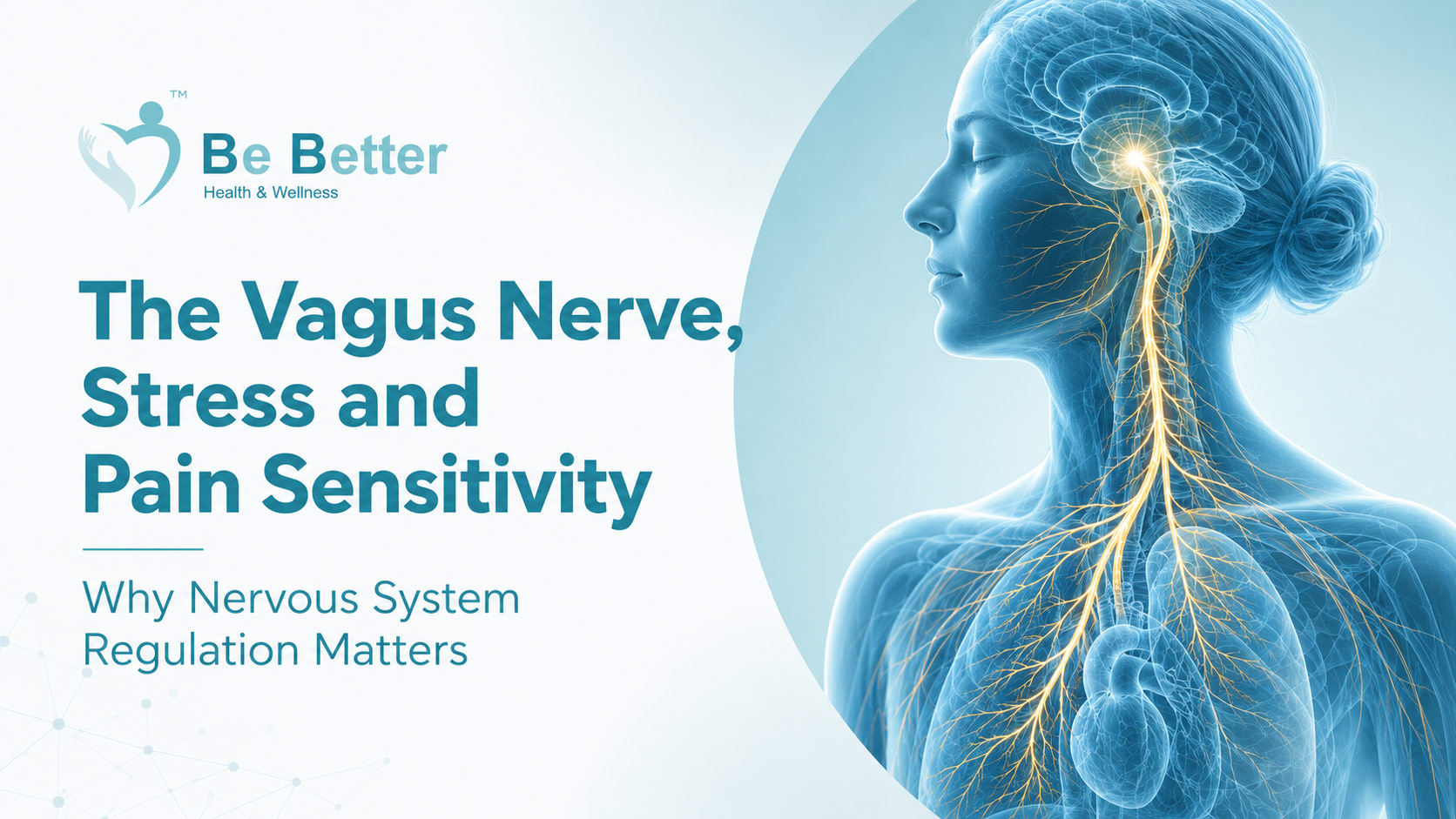
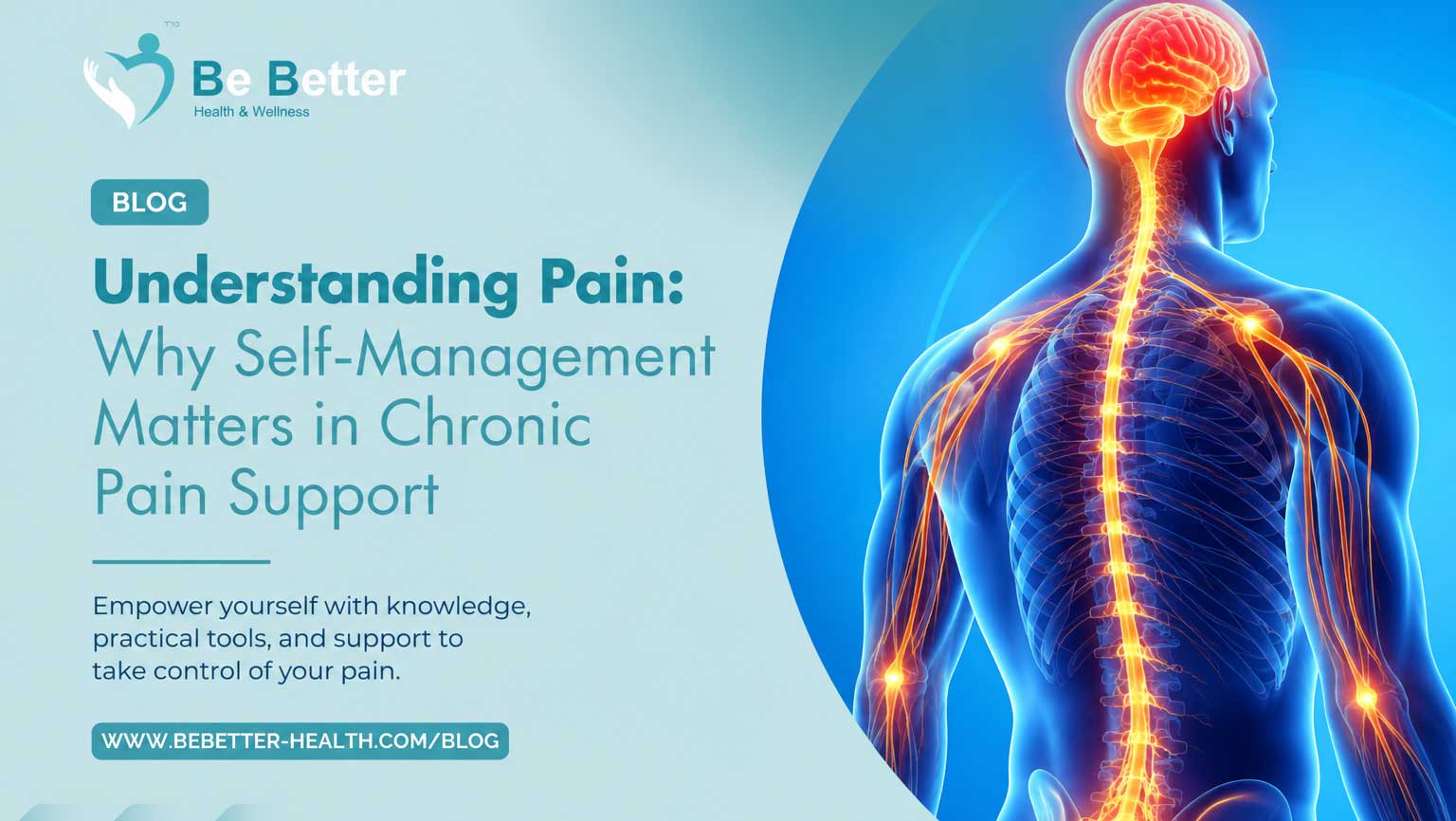
Pain is not only physical — it is also processed by the nervous system.
When pain persists, the nervous system may become more sensitive, meaning:
- Pain signals are amplified
- Minor triggers feel more intense
- Recovery may take longer
This is often referred to as central sensitisation.
Stress, anxiety, and fatigue can further influence this process.
The Pain–Inflammation–Stress Cycle
These three factors often interact:
- Inflammation increases pain sensitivity
- Pain increases stress
- Stress further drives inflammation
Breaking this cycle requires a broader, integrative approach.
Integrative Support Strategies
At Be Better Health, we take a whole-body approach to pain support, which may include:
- Nervous system regulation strategies
- Postural and movement assessment
- Lifestyle and stress pattern awareness
- Sleep and recovery support
- Functional movement guidance
These approaches are designed to support regulation and resilience — alongside medical care.
Education as a Key Tool
Understanding how pain works can reduce fear and improve confidence.
The Self-Care for Pain Management Course is designed to help you:
- Understand pain mechanisms
- Recognise triggers
- Support your body daily
When to Seek Medical Care
Always consult a qualified medical professional if you experience:
- Severe or worsening pain
- Neurological symptoms
- Sudden onset of unexplained pain
Conclusion
Chronic pain is rarely caused by one factor alone.
Inflammation, stress, and nervous system sensitivity all play a role.
Understanding these connections is the first step toward better support.
👉 Book a consultation (Johannesburg & surrounds)
👉 Explore the Pain Management Course