
A Combined Published-Research Reference List for Clients, Patients & Referring Practitioners
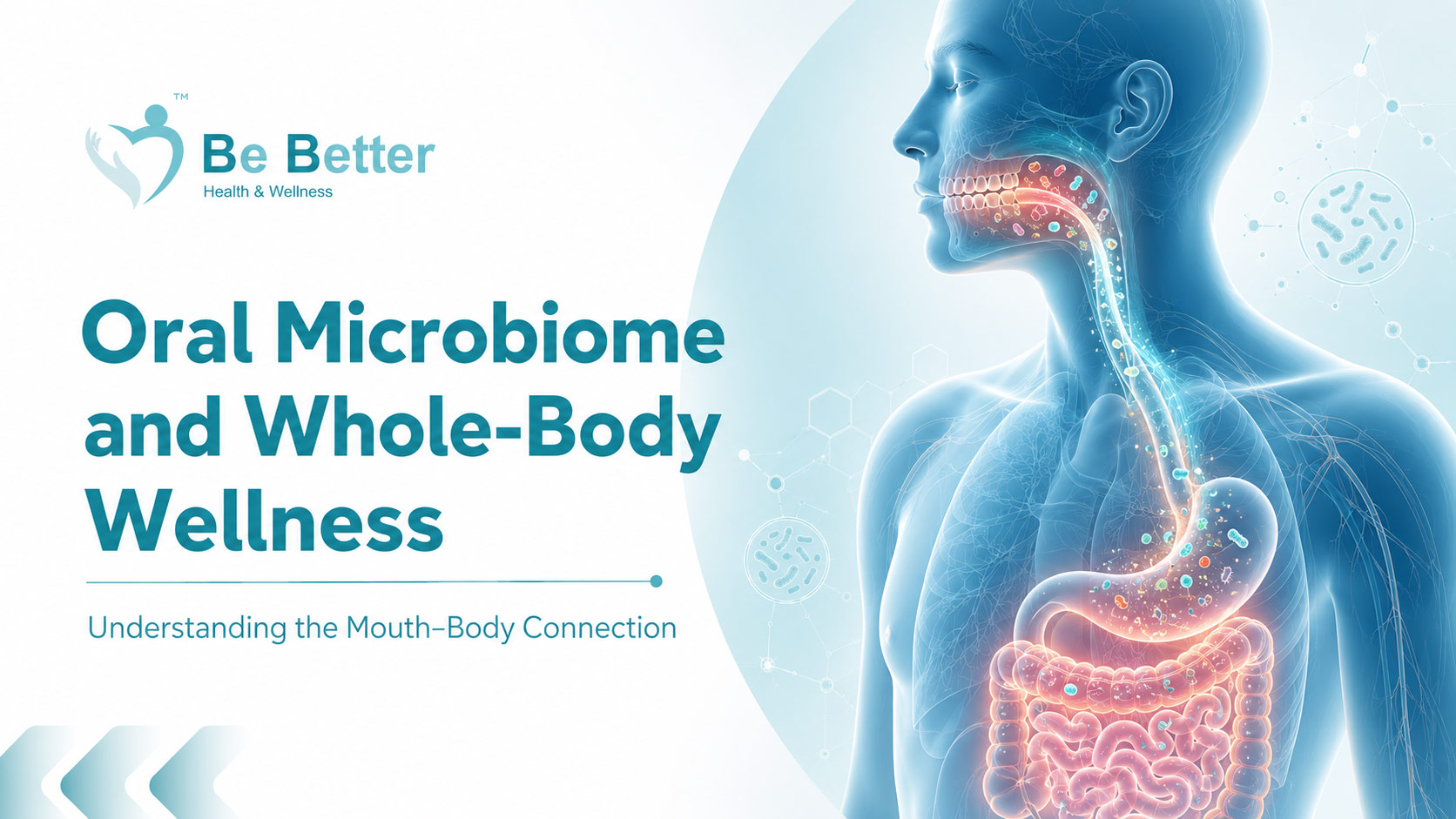
The mouth is often treated as separate from the rest of the body. Dental health is seen as something that belongs only to the teeth and gums, while general health is handled elsewhere.
But the body does not work in separate compartments.
The mouth is connected to digestion, inflammation, the immune system, the nervous system and overall wellbeing. This is why oral health can play an important role in whole-body health.
At Be Better Health & Wellness, we look at oral and dental-related symptoms through a broader integrative clinical lens. This includes considering the relationship between the jaw, posture, nervous system, inflammation, lifestyle, stress and the oral microbiome.
Understanding the oral microbiome can help explain why the mouth–body connection matters.
What Is the Oral Microbiome?
The oral microbiome refers to the community of bacteria, fungi and other microorganisms that live in the mouth.
These microorganisms are found on the:
A healthy oral microbiome helps maintain balance in the mouth. But when ths balance is disrupted, it may contribute to inflammation, gum concerns, discomfort or broader systemic effects.
This imbalance is sometimes referred to as dysbiosis.
The mouth is one of the entry points into the body. It is closely connected to digestion, breathing, immune defence and the nervous system.
Changes in oral health may influence or reflect broader health patterns, including:
This is why oral symptoms should not always be viewed in isolation.
When someone experiences recurring oral discomfort, jaw pain, bruxism, headaches or inflammation-related symptoms, it may be useful to consider the bigger system.
Oral Health and Inflammation
Inflammation is the body’s protective response to irritation, injury or imbalance.
In the mouth, inflammation may show up through gum sensitivity, oral discomfort or recurring irritation. In the wider body, chronic low-grade inflammation may contribute to fatigue, pain sensitivity and poor recovery.
The oral microbiome may interact with the immune system and inflammatory pathways.
This does not mean every oral symptom is caused by systemic inflammation, but it does mean the mouth and body influence one another.
A whole-person approach asks:
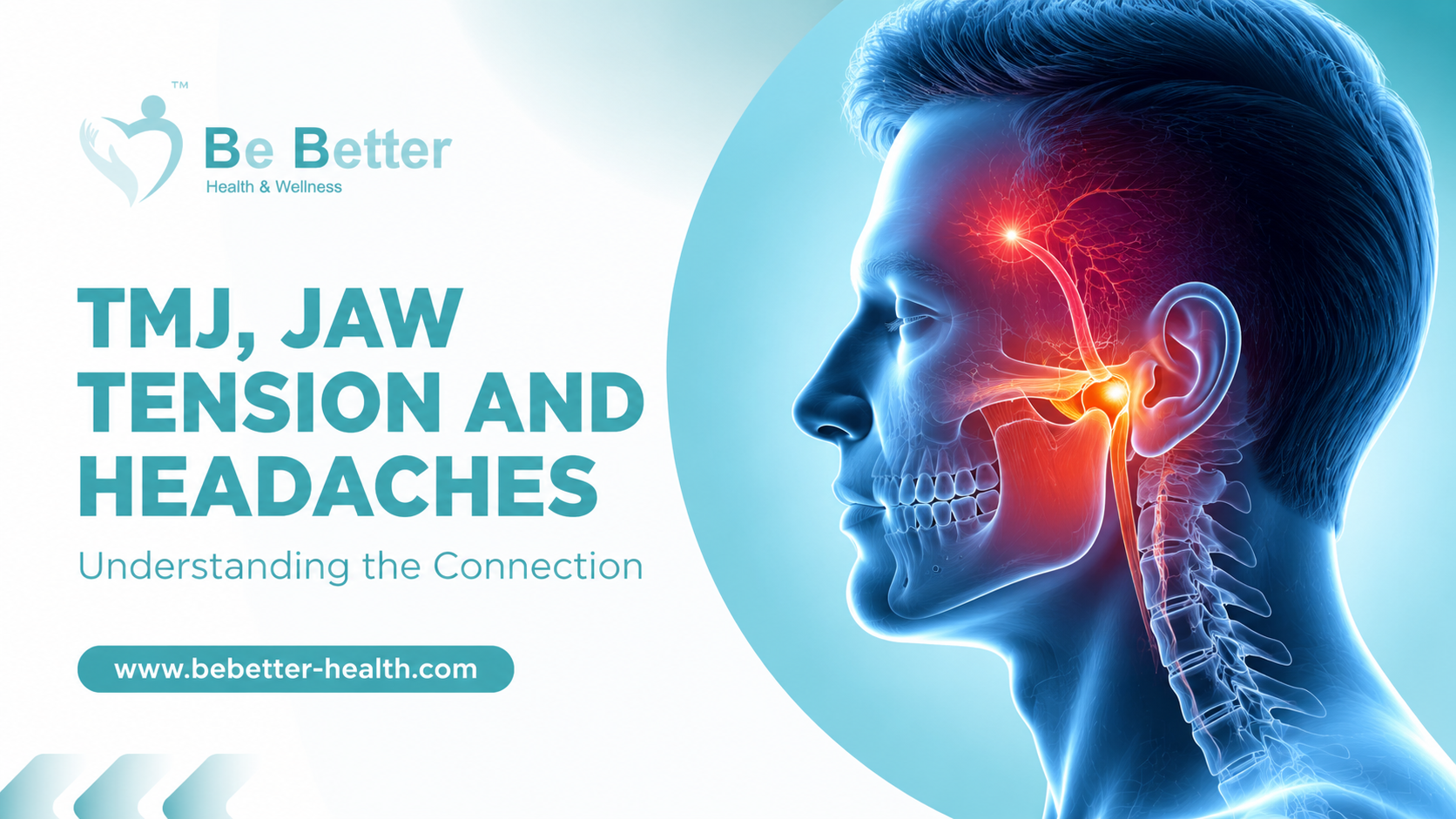
Oral health is not only about teeth and gums. The jaw and surrounding tissues play a major role in daily comfort and function.
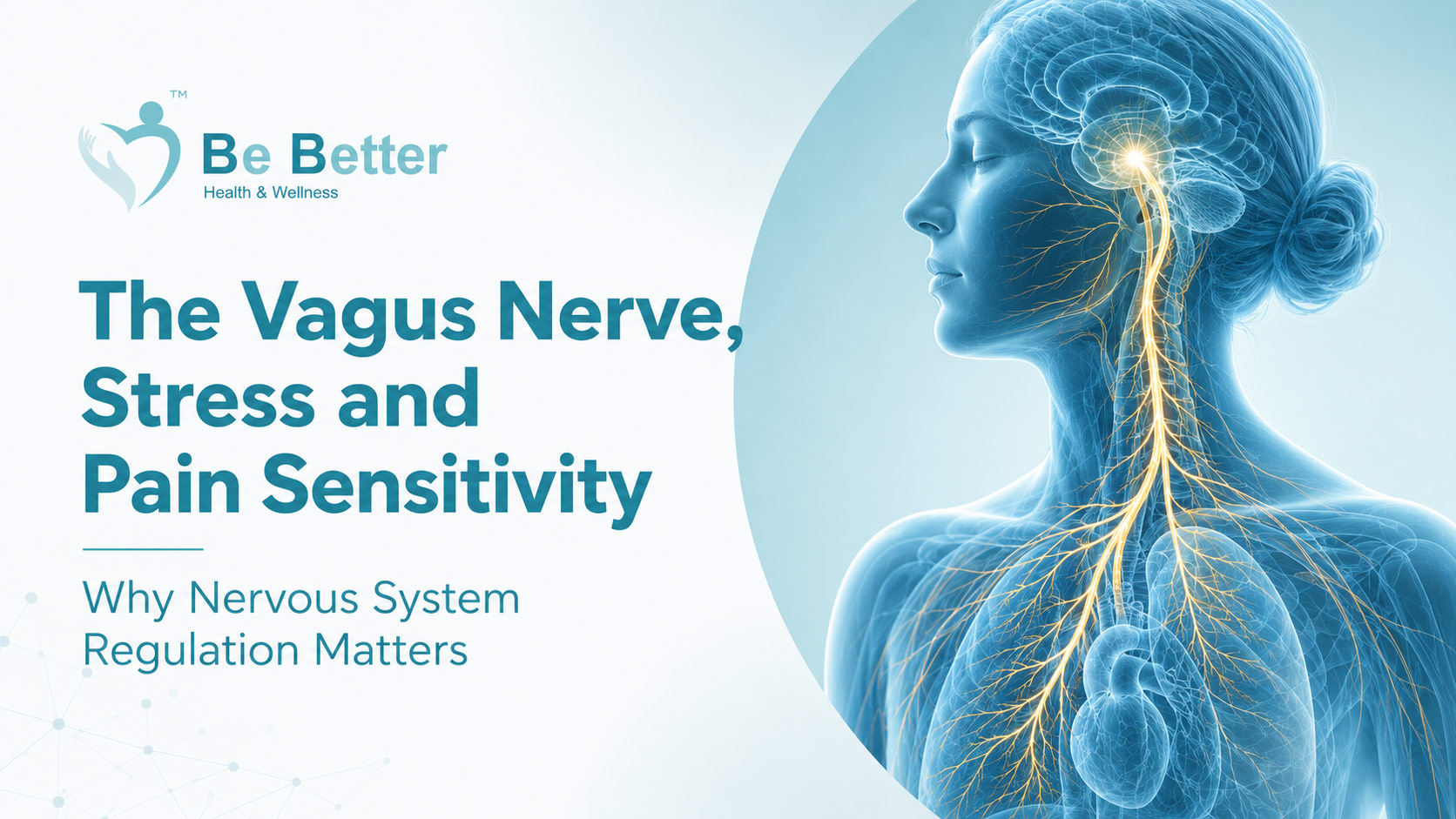
Stress and nervous system dysregulation may contribute to:
When the nervous system is in a heightened state, the muscles around the jaw may remain tense. Over time, this may affect jaw comfort, sleep quality and daily function.
This is why Be Better’s approach to TMJ and orofacial symptoms includes the jaw, posture, nervous system and lifestyle patterns.
The Oral Microbiome and the Gut Connection
The mouth and gut are connected through the digestive tract.
The oral microbiome may influence the gut, and gut health may influence immune function, inflammation and overall wellbeing.
This relationship is one of the reasons integrative health often considers:
The goal is not to replace dental treatment, but to complement it by looking at how oral health fits into the wider picture.
Common Signs That May Need a Broader View
A broader integrative view may be helpful when someone experiences:
These signs should always be assessed appropriately by qualified dental or medical professionals. Integrative care may then support the broader patterns contributing to symptoms.
It is important to be clear: integrative support does not replace dental care.
If you have tooth pain, gum disease, infection, structural dental concerns, bite changes or jaw locking, you should consult a dentist, doctor or specialist.
Be Better Health & Wellness works alongside dental and medical care.
The aim is to support the whole person by looking at contributing factors such as:
At Be Better Health & Wellness, we support clients through an integrative clinical framework that considers oral health as part of the whole body.
This may include support around:
This approach is evidence-informed, supportive and designed to work alongside the client’s dental or medical team.
For people struggling with TMJ-related discomfort, Be Better Health & Wellness offers the TMJ Self-Management Course.
This course provides education and practical guidance around:
The course is self-paced and educational. It does not replace dental or medical care, but it may help people better understand their jaw and support daily function.
Here are a few simple supportive habits to consider:
Your teeth should not be touching all day. If you notice clenching, gently separate your teeth, soften your tongue and relax your shoulders.
Breathing patterns may influence oral and nervous system function. If nasal breathing is difficult, speak to a qualified healthcare provider.
Poor sleep can influence stress, inflammation and clenching habits.
Stress can show up in the jaw, shoulders, breathing and digestion.
Regular dental check-ups remain essential.
If symptoms keep returning, consider whether posture, stress, sleep or nervous system load may also be contributing.
The mouth is not separate from the body.
The oral microbiome, jaw function, inflammation, nervous system and lifestyle patterns are all connected. When symptoms are recurring or complex, it may be helpful to look beyond one area and consider the whole system.
At Be Better Health & Wellness, the goal is to support clients with compassionate, evidence-informed, integrative care that works alongside their existing healthcare team.
The studies gathered here were selected to illustrate the supportive research base for the modalities and approaches offered at Be Better Health & Wellness. As with any evidence compendium of this kind, it reflects published, generally positive f indings rather than an exhaustive, balanced systematic review including negative or null results. Where a study’s findings were limited or did not reach statistical significance, this has been noted directly in the summary. All modalities are offered as adjunctive and supportive to conventional medical care, not as a replacement for diagnosis or treatment by a qualified medical practitioner.