Introduction
Pain is one of the most common health concerns globally — and in South Africa, increasing numbers of individuals are living with persistent discomfort that affects daily life, work, and overall wellbeing.
For many, the biggest challenge is not just the pain itself — but not understanding it.
Modern pain science shows that pain is not only caused by physical injury. It is influenced by the nervous system, stress levels, movement patterns, and lifestyle factors.
Understanding pain is a powerful first step in learning how to support your body more effectively.
What Is Chronic Pain?
Chronic pain is typically defined as pain lasting longer than three months. It may present as:
- Ongoing back or neck pain
- Joint discomfort
- Headaches
- Muscle tension
- Widespread body pain
Unlike acute pain, which is linked to injury or tissue damage, chronic pain often involves multiple systems in the body.
Pain Is More Than Physical
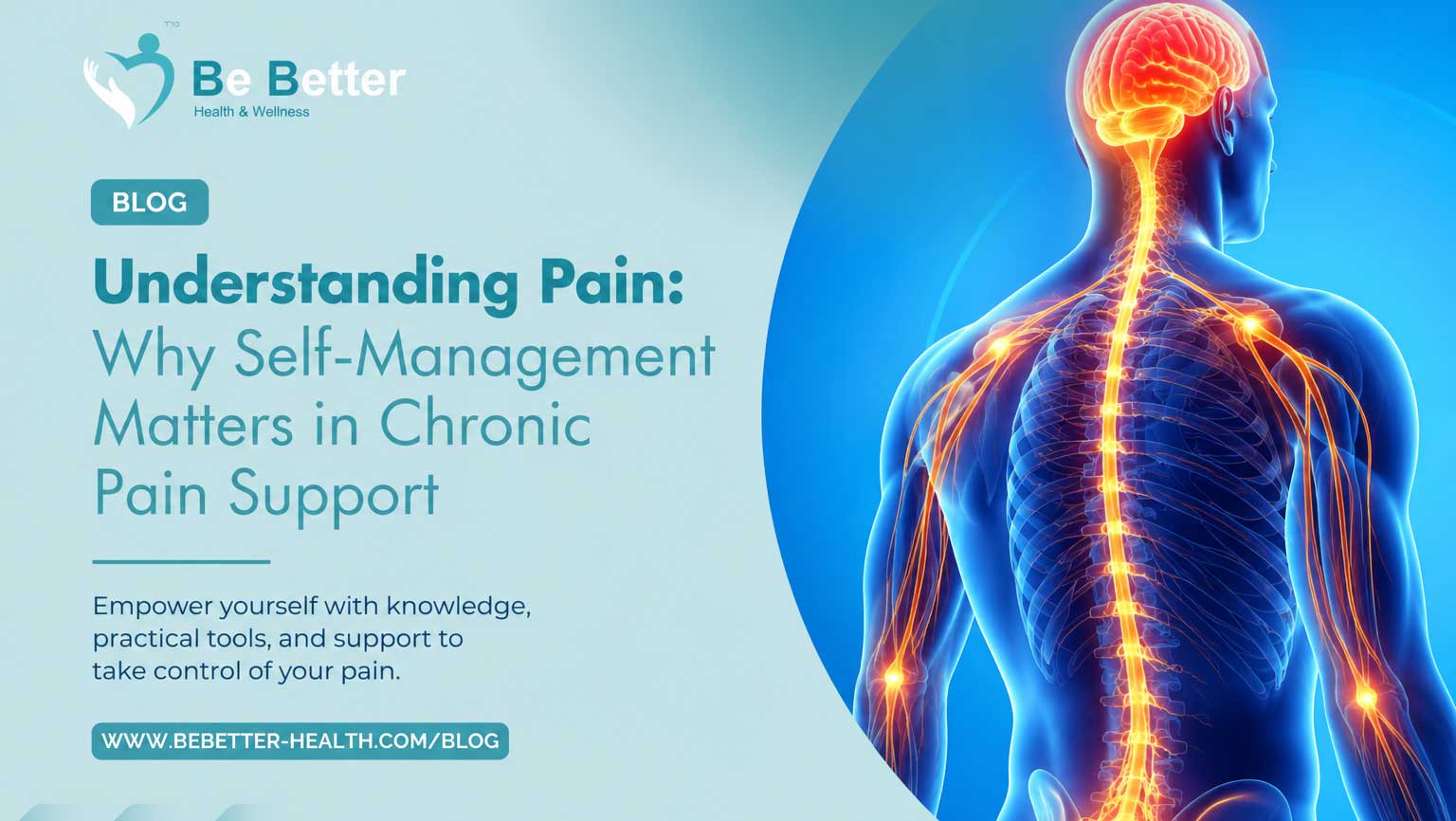
Pain is created by the brain based on information it receives from the body and the environment.
This means pain can be influenced by:
- Stress and emotional load
- Past injuries
- Movement patterns
- Sleep quality
- Lifestyle habits
Over time, the nervous system may become more sensitive — meaning the body reacts more strongly to certain inputs.
This is why some people continue to experience pain even after an injury has healed.
The Role of the Nervous System
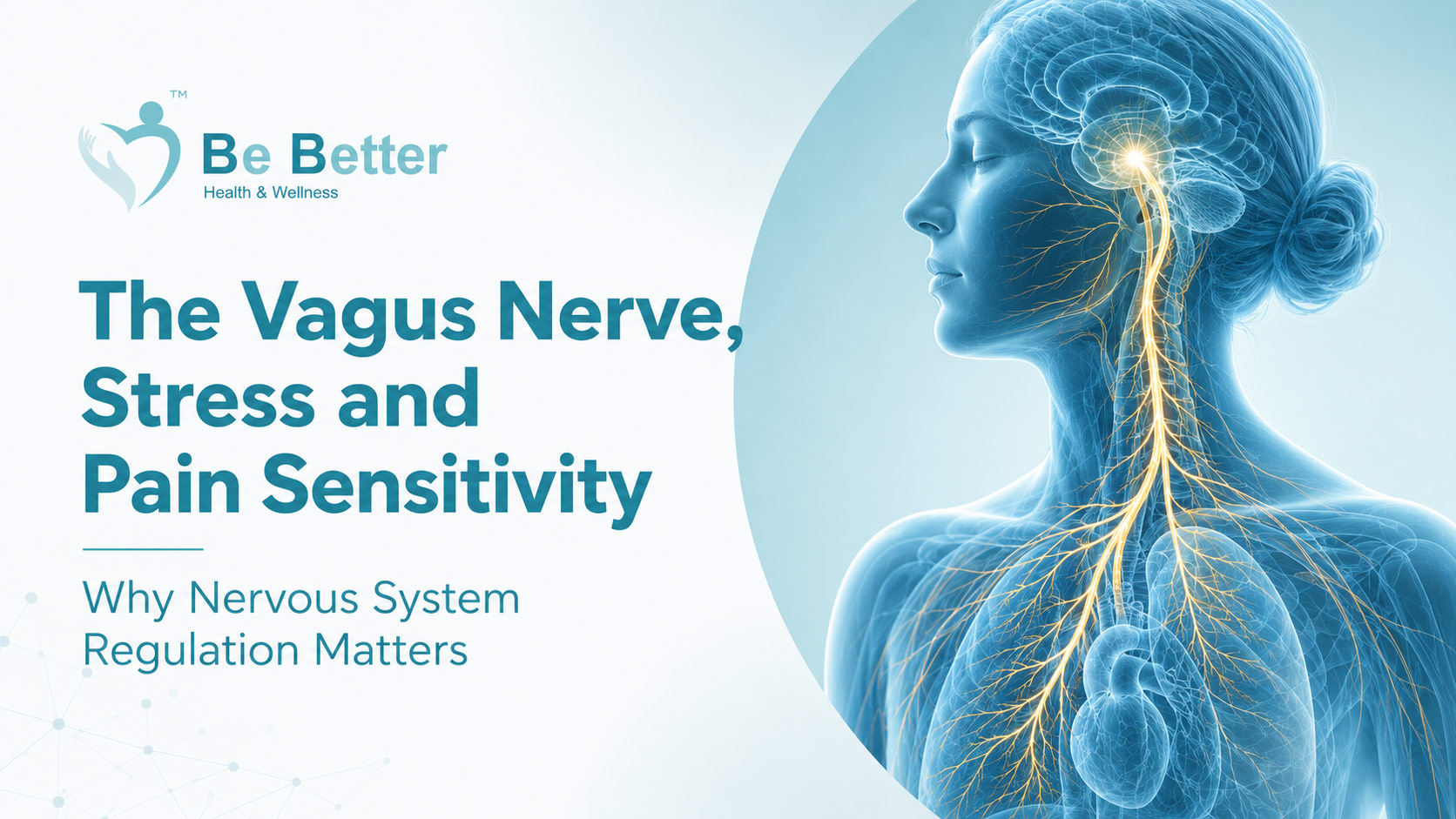
The nervous system plays a key role in how pain is experienced.
When the body is under ongoing stress, the nervous system may remain in a heightened state. This can lead to:
- Increased muscle tension
- Reduced recovery
- Higher pain sensitivity
- Slower healing processes
In modern environments — including long work hours, sedentary lifestyles, and stress — this pattern is becoming increasingly common.
Why Self-Management Matters
While medical care is essential, daily habits and understanding play a significant role in how pain is experienced over time.
Self-management does not mean “fixing” pain — it means:
- Understanding how pain works
- Learning how your body responds
- Supporting movement and recovery
- Reducing fear and uncertainty
Education can help shift how pain is perceived and managed.
Movement and Pain
A common response to pain is to avoid movement. However, avoiding movement completely may:
- Increase stiffness
- Reduce circulation
- Increase nervous system sensitivity
Gentle, appropriate movement may support:
- Joint mobility
- Muscle balance
- Nervous system regulation
Stress and Pain Sensitivity
Stress and pain are closely linked.
When stress levels increase, the body may become more reactive. This can:
- Amplify pain signals
- Increase tension
- Reduce resilience
Supporting stress regulation is often an important part of pain management.
An Integrative Approach to Pain Support
At Be Better Health, integrative consultations focus on:
- Understanding contributing factors
- Supporting nervous system regulation
- Improving movement and posture
- Addressing lifestyle influences
This approach is designed to support the body alongside medical care.
Education as a Tool
Learning about pain can:
- Reduce fear
- Improve confidence
- Support better daily decisions
The Self-Care for Pain Management course is designed to provide structured, easy-to-understand guidance on how pain works and how to support your body daily.
When to Seek Medical Advice
Always consult a qualified healthcare professional if you experience:
- Severe or worsening pain
- Sudden changes in symptoms
- Neurological symptoms
Conclusion
Pain is complex — and understanding it can make a meaningful difference in how it is experienced.
By combining medical care with education and supportive strategies, individuals may improve how they manage daily discomfort.
👉 Learn more about the Self-Care for Pain Management course
👉 Or book an integrative consultation to explore a personalised approach