Introduction
Jaw discomfort, facial tension, and recurring headaches are more common than many people realise.
Often, these symptoms are treated in isolation — but they may be connected through the temporomandibular joint (TMJ), posture, and the nervous system.
Understanding this connection is key to supporting long-term comfort and function.
What Is the TMJ?
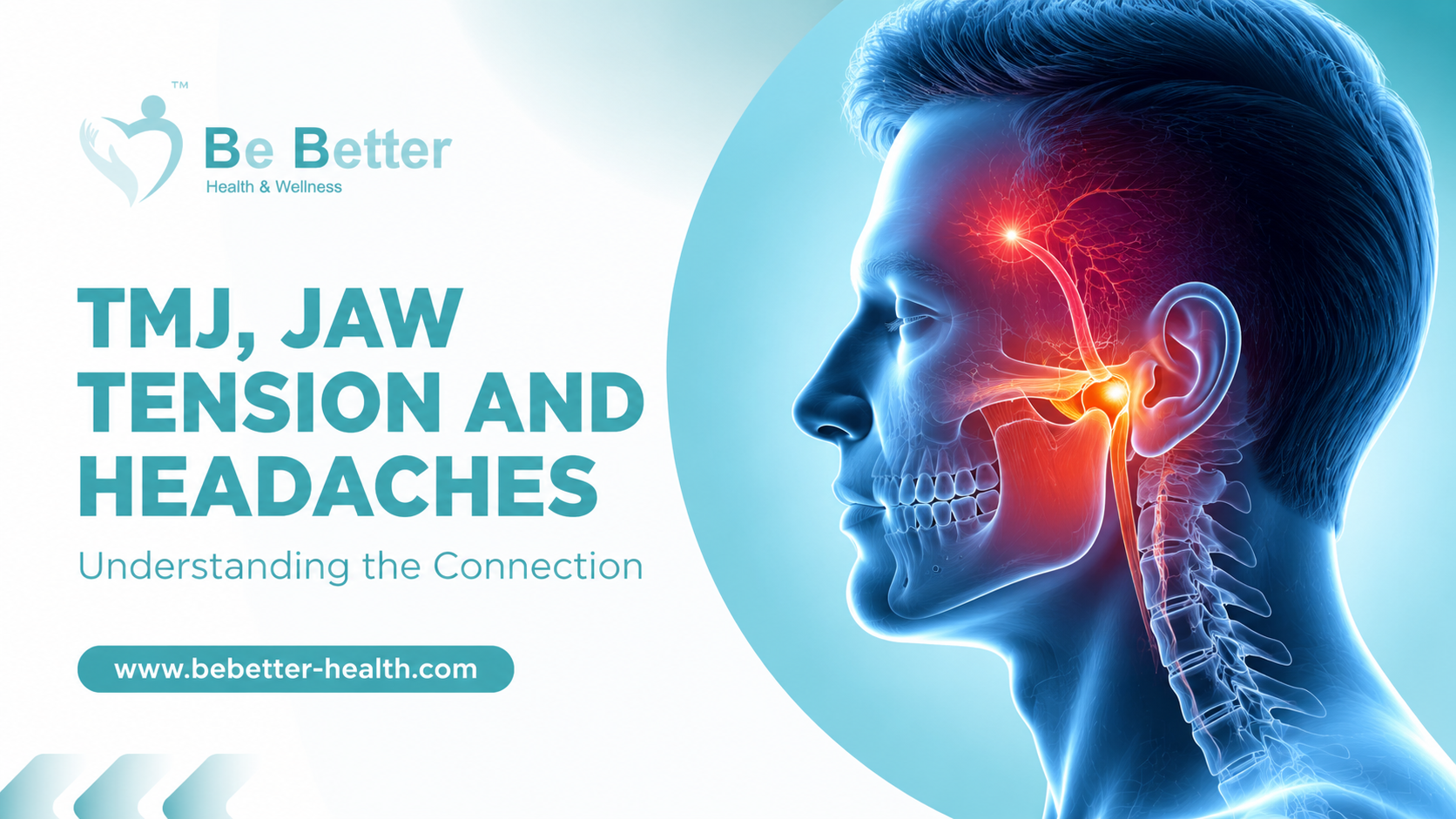
The temporomandibular joint (TMJ) connects the jaw to the skull and plays a role in:
- Chewing
- Speaking
- Swallowing
- Facial movement
It works closely with the muscles of the face, neck, and head.
Common Signs of TMJ Dysfunction
TMJ-related issues may present as:
- Jaw pain or stiffness
- Clicking or popping sounds
- Headaches (especially around the temples)
- Facial tension
- Ear discomfort or pressure
- Neck and shoulder tightness
The Link Between TMJ and Headaches
Jaw tension can contribute to headaches due to:
- Muscle strain around the temples
- Increased tension in surrounding tissues
- Referral pain patterns from the jaw to the head
For many individuals, headaches may begin in the jaw and travel upward.
Stress and Jaw Clenching
Stress is one of the most common contributors to TMJ issues.
Many people unconsciously:
- Clench their jaw during the day
- Grind their teeth at night
- Hold tension in the face and neck
Over time, this repeated tension may lead to discomfort and dysfunction.
The Role of Posture
Modern lifestyles often involve:
- Long hours at desks
- Increased screen time
- Forward head posture
This posture places strain on the jaw and neck, potentially contributing to TMJ symptoms.
The Nervous System Connection
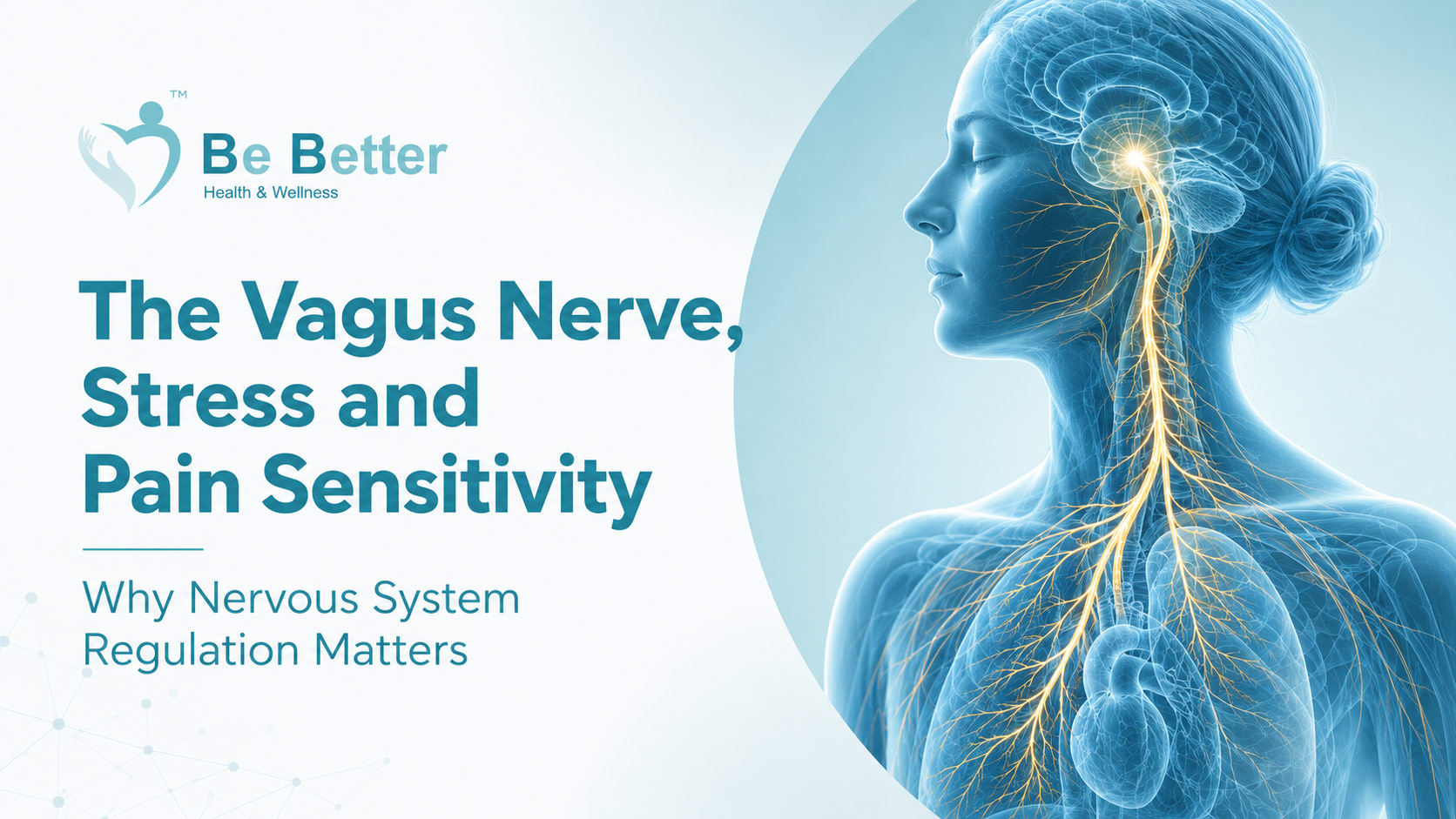
The nervous system regulates muscle activity.
When the body is under stress, muscles may remain in a contracted state. This can:
- Increase jaw tension
- Reduce relaxation
- Amplify discomfort
Supporting the nervous system may help improve overall regulation.
Supporting Jaw Function
An integrative approach may include:
- Awareness of clenching habits
- Postural adjustments
- Gentle movement and relaxation techniques
- Stress regulation strategies
These approaches aim to support function — not just reduce symptoms.
Education and Self-Management
Understanding how jaw tension develops can help individuals:
- Recognise patterns
- Reduce strain
- Support daily function
The TMJ Self-Management course provides structured guidance to help individuals better understand their jaw health and daily habits.
When to Seek Professional Advice
Consult a dentist or medical professional if you experience:
- Severe jaw pain
- Locking of the jaw
- Difficulty opening or closing the mouth
- Significant changes in bite
Conclusion
TMJ discomfort is rarely just a jaw issue.
It is often influenced by stress, posture, and nervous system regulation.
Understanding these connections can support better long-term management.
👉 Learn more about the TMJ Self-Management course
👉 Or book an integrative consultation for personalised support