Category: Be Better News

  • Understanding Pain: Why Self-Management Matters in Chronic Pain Support

    Understanding Pain: Why Self-Management Matters in Chronic Pain Support

    Understanding Pain: Why Self-Management Matters in Chronic Pain Support

    Introduction

    Pain is one of the most common health concerns globally — and in South Africa, increasing numbers of individuals are living with persistent discomfort that affects daily life, work, and overall wellbeing.

    For many, the biggest challenge is not just the pain itself — but not understanding it.

    Modern pain science shows that pain is not only caused by physical injury. It is influenced by the nervous system, stress levels, movement patterns, and lifestyle factors.

    Understanding pain is a powerful first step in learning how to support your body more effectively.

    What Is Chronic Pain?

    Chronic pain is typically defined as pain lasting longer than three months. It may present as:

    • Ongoing back or neck pain
    • Joint discomfort
    • Headaches
    • Muscle tension
    • Widespread body pain

    Unlike acute pain, which is linked to injury or tissue damage, chronic pain often involves multiple systems in the body.

    Pain Is More Than Physical

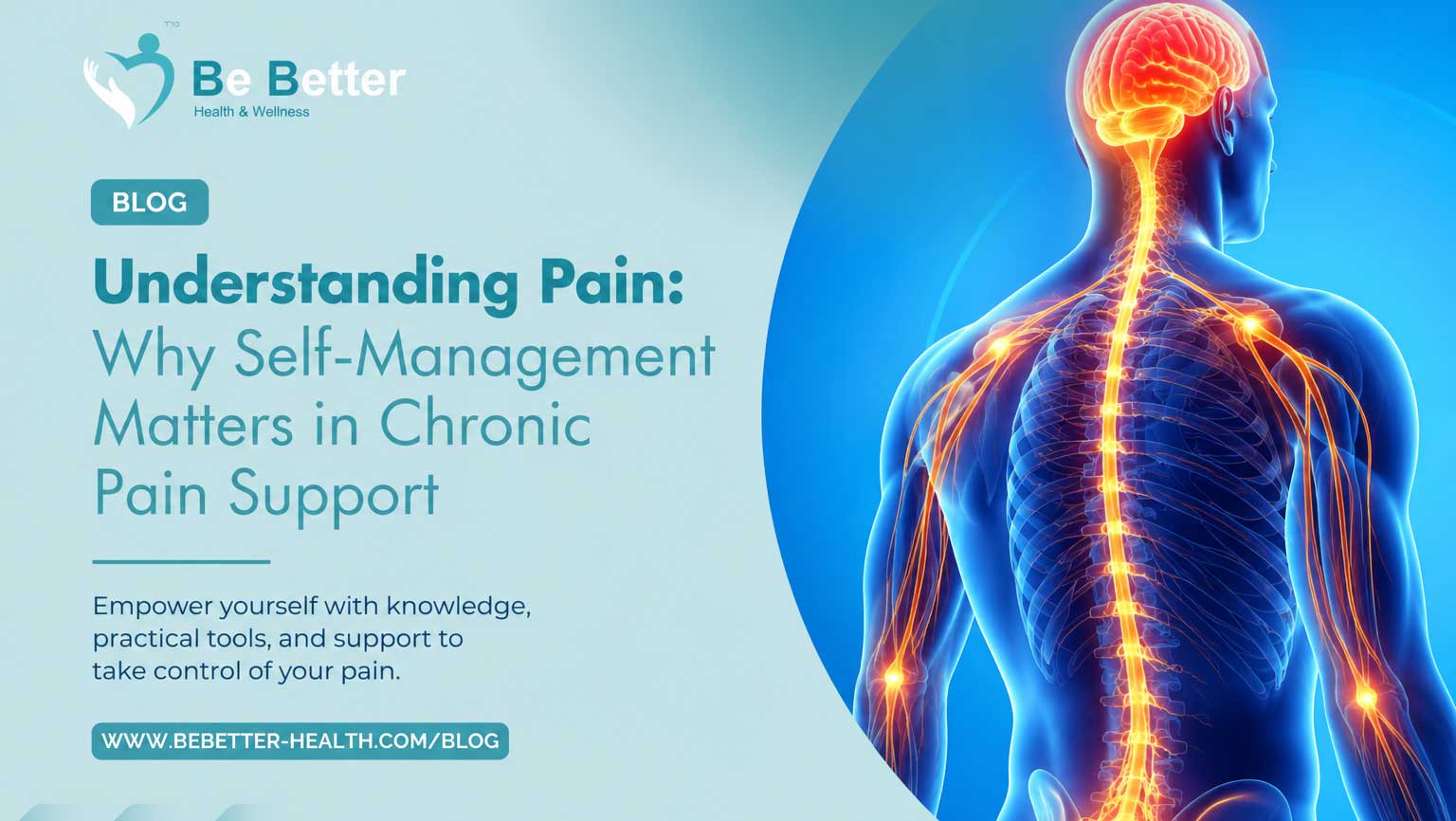
    Pain is created by the brain based on information it receives from the body and the environment.

    This means pain can be influenced by:

    • Stress and emotional load
    • Past injuries
    • Movement patterns
    • Sleep quality
    • Lifestyle habits

    Over time, the nervous system may become more sensitive — meaning the body reacts more strongly to certain inputs.

    This is why some people continue to experience pain even after an injury has healed.

    The Role of the Nervous System

    The nervous system plays a key role in how pain is experienced.

    When the body is under ongoing stress, the nervous system may remain in a heightened state. This can lead to:

    • Increased muscle tension
    • Reduced recovery
    • Higher pain sensitivity
    • Slower healing processes

    In modern environments — including long work hours, sedentary lifestyles, and stress — this pattern is becoming increasingly common.

    Why Self-Management Matters

    While medical care is essential, daily habits and understanding play a significant role in how pain is experienced over time.

    Self-management does not mean “fixing” pain — it means:

    • Understanding how pain works
    • Learning how your body responds
    • Supporting movement and recovery
    • Reducing fear and uncertainty

    Education can help shift how pain is perceived and managed.

    Movement and Pain

    A common response to pain is to avoid movement. However, avoiding movement completely may:

    • Increase stiffness
    • Reduce circulation
    • Increase nervous system sensitivity

    Gentle, appropriate movement may support:

    • Joint mobility
    • Muscle balance
    • Nervous system regulation

    Stress and Pain Sensitivity

    Stress and pain are closely linked.

    When stress levels increase, the body may become more reactive. This can:

    • Amplify pain signals
    • Increase tension
    • Reduce resilience

    Supporting stress regulation is often an important part of pain management.

    An Integrative Approach to Pain Support

    At Be Better Health, integrative consultations focus on:

    • Understanding contributing factors
    • Supporting nervous system regulation
    • Improving movement and posture
    • Addressing lifestyle influences

    This approach is designed to support the body alongside medical care.

    Education as a Tool

    Learning about pain can:

    • Reduce fear
    • Improve confidence
    • Support better daily decisions

    The Self-Care for Pain Management course is designed to provide structured, easy-to-understand guidance on how pain works and how to support your body daily.

    When to Seek Medical Advice

    Always consult a qualified healthcare professional if you experience:

    • Severe or worsening pain
    • Sudden changes in symptoms
    • Neurological symptoms

    Conclusion

    Pain is complex — and understanding it can make a meaningful difference in how it is experienced.

    By combining medical care with education and supportive strategies, individuals may improve how they manage daily discomfort.

    👉 Learn more about the Self-Care for Pain Management course
    👉 Or book an integrative consultation to explore a personalised approach

    Share it :
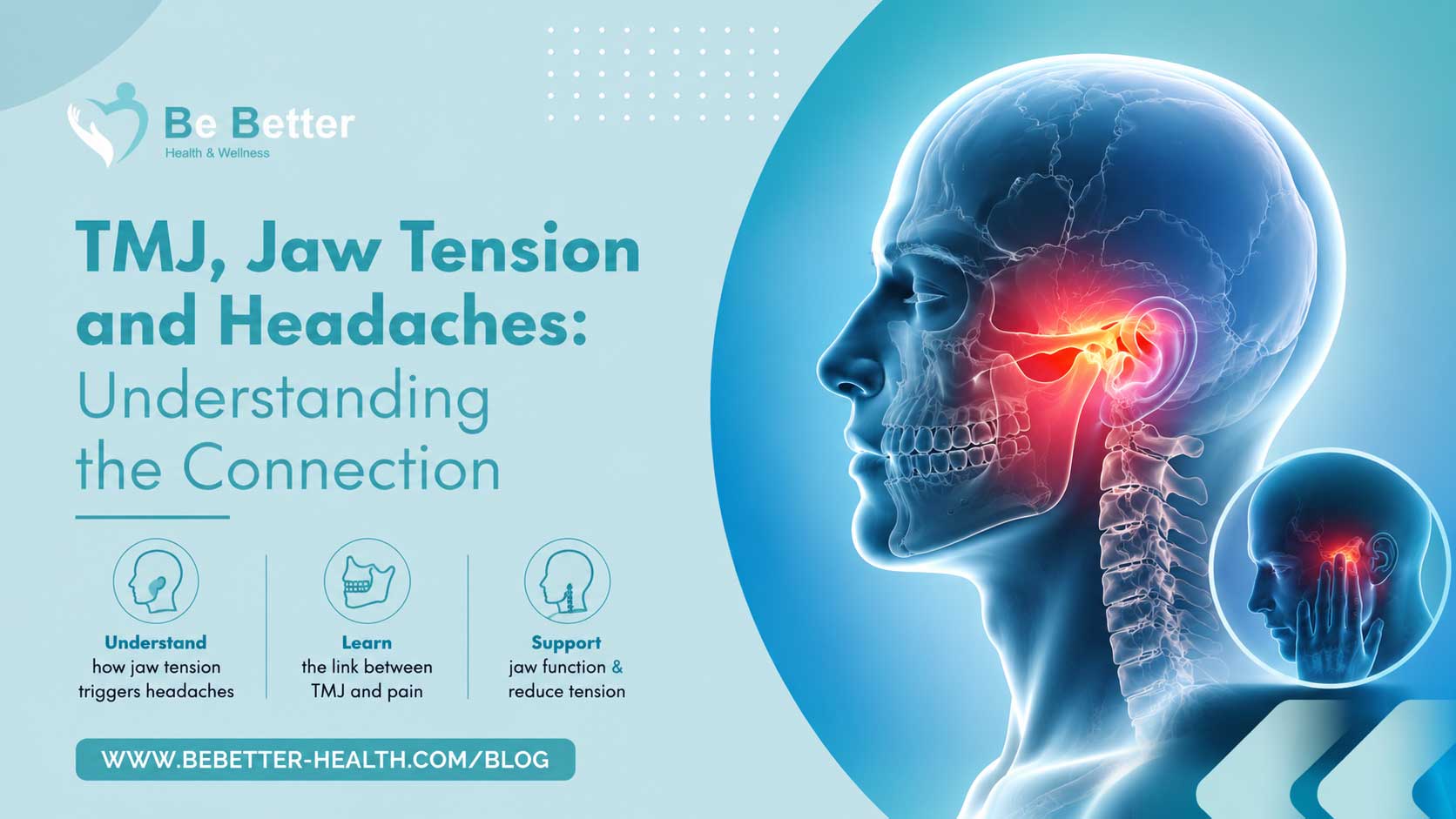
  • TMJ, Jaw Tension and Headaches: Understanding the Connection

    TMJ, Jaw Tension and Headaches: Understanding the Connection

    TMJ, Jaw Tension and Headaches: Understanding the Connection

    Introduction

    Jaw discomfort, facial tension, and recurring headaches are more common than many people realise.

    Often, these symptoms are treated in isolation — but they may be connected through the temporomandibular joint (TMJ), posture, and the nervous system.

    Understanding this connection is key to supporting long-term comfort and function.

    What Is the TMJ?

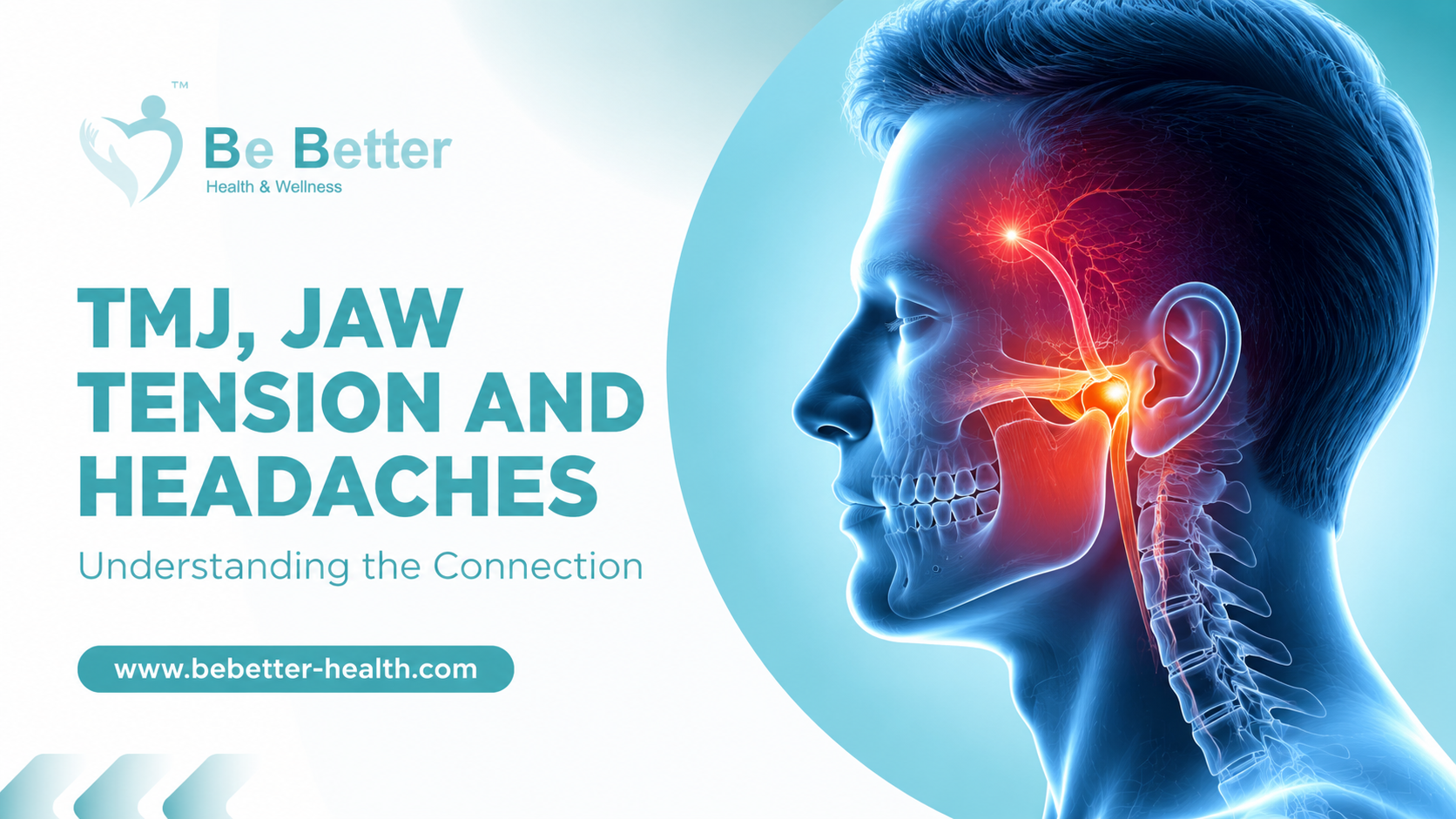
    The temporomandibular joint (TMJ) connects the jaw to the skull and plays a role in:

    • Chewing
    • Speaking
    • Swallowing
    • Facial movement

    It works closely with the muscles of the face, neck, and head.

    Common Signs of TMJ Dysfunction

    TMJ-related issues may present as:

    • Jaw pain or stiffness
    • Clicking or popping sounds
    • Headaches (especially around the temples)
    • Facial tension
    • Ear discomfort or pressure
    • Neck and shoulder tightness

    The Link Between TMJ and Headaches

    Jaw tension can contribute to headaches due to:

    • Muscle strain around the temples
    • Increased tension in surrounding tissues
    • Referral pain patterns from the jaw to the head

    For many individuals, headaches may begin in the jaw and travel upward.

    Stress and Jaw Clenching

    Stress is one of the most common contributors to TMJ issues.

    Many people unconsciously:

    • Clench their jaw during the day
    • Grind their teeth at night
    • Hold tension in the face and neck

    Over time, this repeated tension may lead to discomfort and dysfunction.

    The Role of Posture

    Modern lifestyles often involve:

    • Long hours at desks
    • Increased screen time
    • Forward head posture

    This posture places strain on the jaw and neck, potentially contributing to TMJ symptoms.

    The Nervous System Connection

    The nervous system regulates muscle activity.

    When the body is under stress, muscles may remain in a contracted state. This can:

    • Increase jaw tension
    • Reduce relaxation
    • Amplify discomfort

    Supporting the nervous system may help improve overall regulation.

    Supporting Jaw Function

    An integrative approach may include:

    • Awareness of clenching habits
    • Postural adjustments
    • Gentle movement and relaxation techniques
    • Stress regulation strategies

    These approaches aim to support function — not just reduce symptoms.

    Education and Self-Management

    Understanding how jaw tension develops can help individuals:

    • Recognise patterns
    • Reduce strain
    • Support daily function

    The TMJ Self-Management course provides structured guidance to help individuals better understand their jaw health and daily habits.

    When to Seek Professional Advice

    Consult a dentist or medical professional if you experience:

    • Severe jaw pain
    • Locking of the jaw
    • Difficulty opening or closing the mouth
    • Significant changes in bite

    Conclusion

    TMJ discomfort is rarely just a jaw issue.
    It is often influenced by stress, posture, and nervous system regulation.

    Understanding these connections can support better long-term management.

    👉 Learn more about the TMJ Self-Management course
    👉 Or book an integrative consultation for personalised support

    Share it :
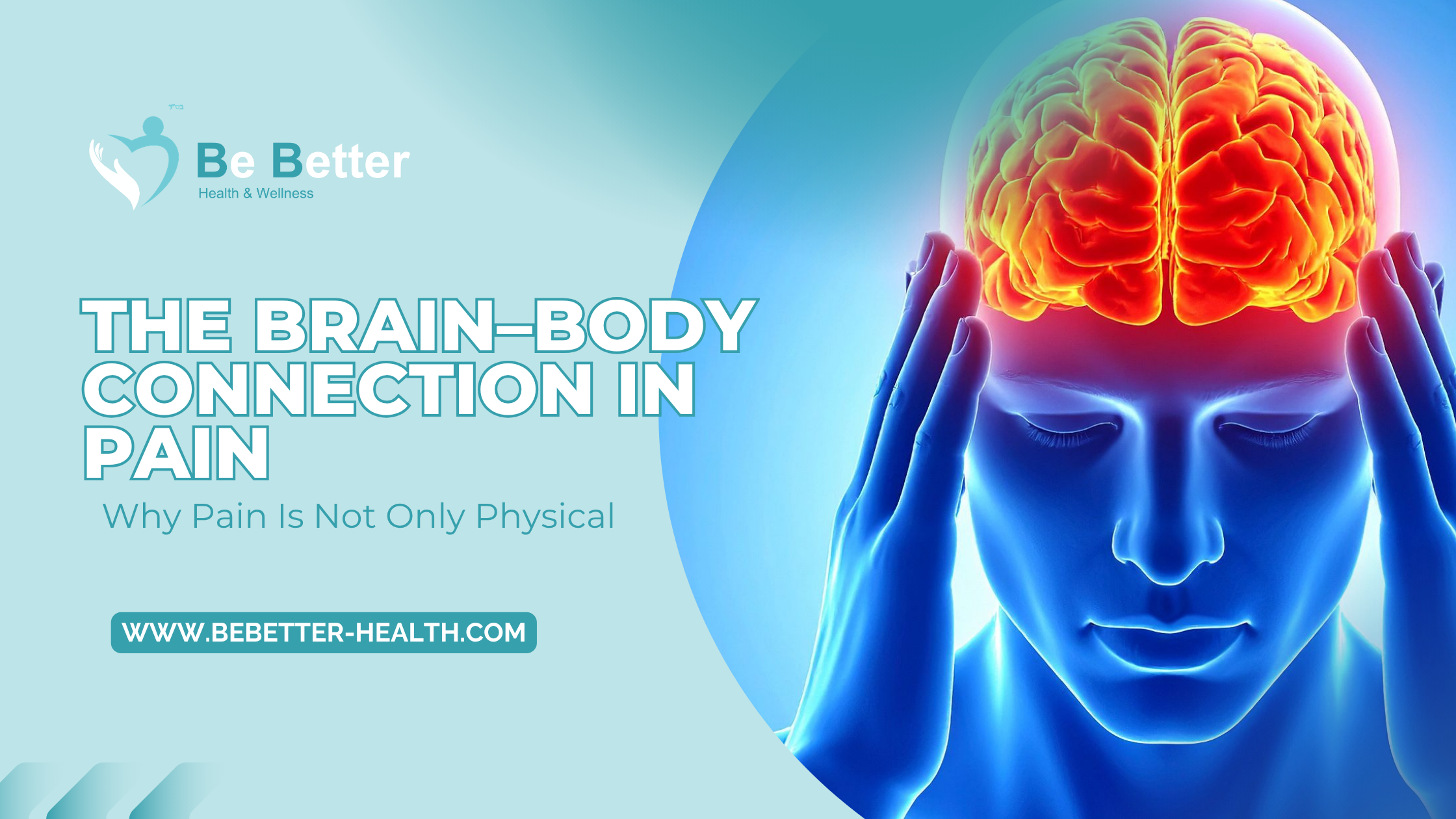
  • The Brain–Body Connection in Pain: Why Pain Is Not Only Physical

    The Brain–Body Connection in Pain: Why Pain Is Not Only Physical

    The Brain–Body Connection in Pain: Why Pain Is Not Only Physical

    Introduction

    Many people living with pain are told:
    “There’s nothing structurally wrong.”

    Yet the pain remains.

    This is because pain is not only physical — it is influenced by the brain, nervous system, and environment.

    How Pain Is Processed

    Pain is created by the brain based on:

    • Sensory input
    • Past experiences
    • Emotional state
    • Stress levels

    This means pain can persist even after tissue healing.

    The Role of the Nervous System

    The nervous system constantly assesses safety and threat.

    When the system is dysregulated:

    • Pain signals may increase
    • The body becomes more sensitive
    • Recovery slows down

    Stress and Pain Perception

    Chronic stress may:

    • Increase muscle tension
    • Reduce recovery
    • Heighten pain sensitivity

    This is particularly relevant in modern, high-pressure environments.

    The Brain–Body Feedback Loop

    Pain influences emotions.
    Emotions influence pain.

    This creates a loop that can maintain discomfort over time.

    Movement and Safety Signals

    Gentle movement can help:

    • Reassure the nervous system
    • Improve circulation
    • Reduce stiffness

    Avoiding movement entirely may increase sensitivity.

    Integrative Support Approach

    At Be Better Health, we support:

    • Nervous system regulation
    • Movement confidence
    • Stress awareness
    • Lifestyle balance

    This approach helps support overall function and wellbeing.

    Education Changes the Experience of Pain

    Understanding pain mechanisms may:

    • Reduce fear
    • Improve confidence
    • Support better daily choices

    The Pain Management Course provides structured education in this area.

    When to Seek Medical Advice

    Always consult a healthcare professional if symptoms are severe, worsening, or unclear.

    Conclusion

    Pain is not just in the body — it is influenced by the brain and nervous system.

    Understanding this connection may help shift how pain is experienced and managed.

    👉 Book an integrative consultation
    👉 Learn more through the Pain Management Course

    Share it :
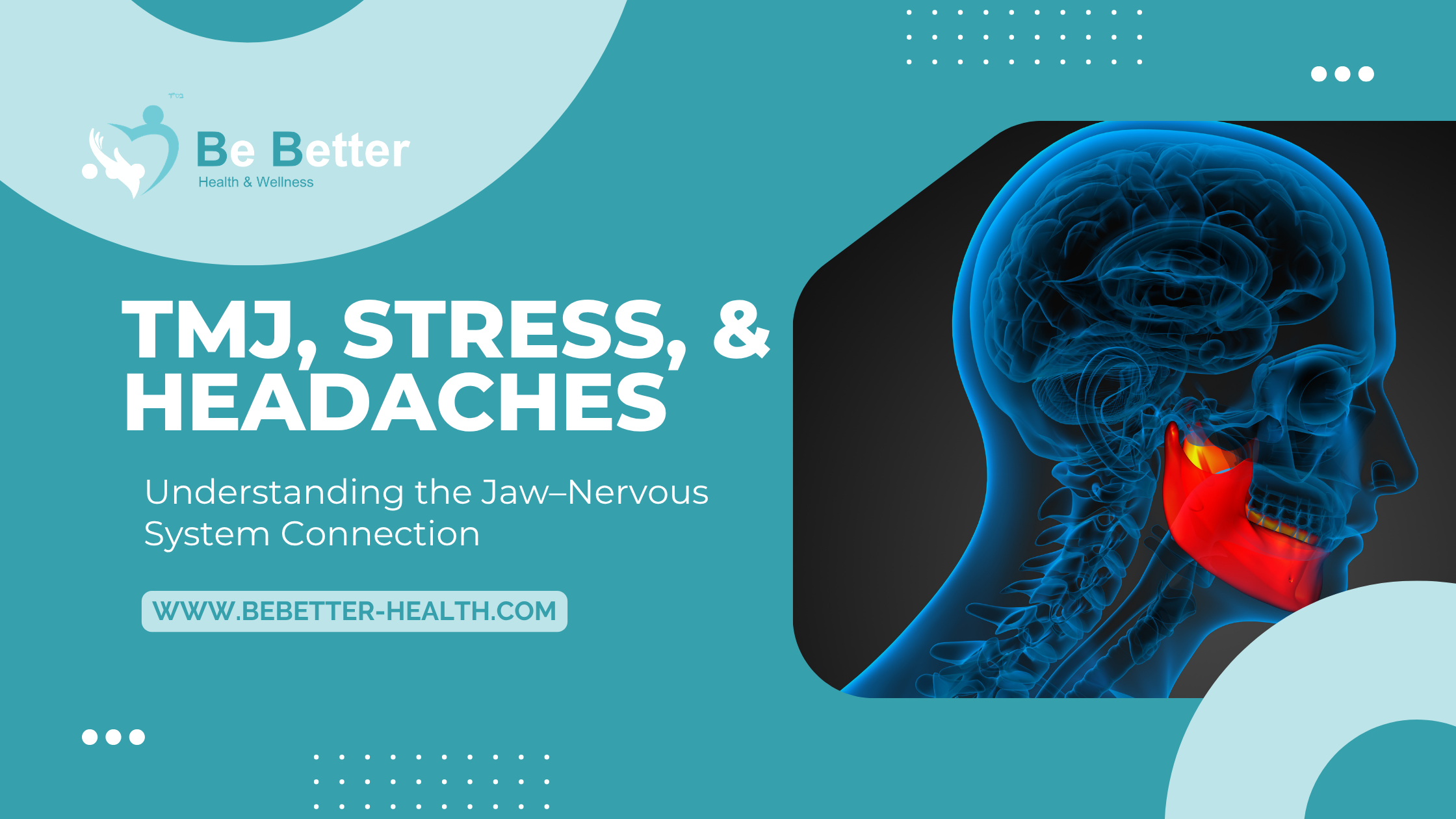
  • TMJ, Stress, and Headaches: Understanding the Jaw–Nervous System Connection

    TMJ, Stress, and Headaches: Understanding the Jaw–Nervous System Connection

    TMJ, Stress, and Headaches: Understanding the Jaw–Nervous System Connection

    Introduction

    Do you experience:

    • Jaw tension or tightness?
    • Headaches around the temples?
    • Teeth grinding or clenching?

    These symptoms may be linked to temporomandibular joint (TMJ) dysfunction, often influenced by stress and nervous system patterns.

    What Is the TMJ?

    The temporomandibular joint connects the jaw to the skull and plays a role in:

    • Chewing
    • Speaking
    • Facial movement

    It is closely connected to the neck, head, and nervous system.

    Common Signs of TMJ Dysfunction

    TMJ-related issues may present as:

    • Jaw pain or stiffness
    • Clicking or popping sounds
    • Headaches
    • Ear discomfort or pressure
    • Neck tension

    The Stress Connection

    Stress is one of the most common contributors to TMJ dysfunction.

    When stressed, many people:

    • Clench their jaw unconsciously
    • Grind their teeth (especially at night)
    • Hold tension in the face and neck

    This repeated tension can lead to ongoing discomfort.

    The Nervous System’s Role

    The nervous system regulates muscle tension.

    When the body is in a heightened stress state:

    • Muscles remain contracted
    • Recovery is reduced
    • Pain sensitivity increases

    This may explain why TMJ symptoms often worsen during stressful periods.

    Posture and Modern Lifestyle

    In South Africa, many individuals spend long hours:

    • At desks
    • On phones
    • Driving

    Forward head posture may place additional strain on the jaw and neck.

    Integrative Support for TMJ

    At Be Better Health, we assess:

    • Jaw tension patterns
    • Neck and postural influences
    • Stress-related muscle activation
    • Nervous system regulation

    The goal is to support improved function and comfort.

    TMJ Self-Management Education

    The TMJ Self-Management Course provides guidance on:

    • Jaw awareness
    • Reducing clenching habits
    • Supporting posture
    • Managing stress-related tension

    When to Seek Medical or Dental Advice

    Consult a professional if you experience:

    • Severe jaw pain
    • Locking of the jaw
    • Difficulty opening or closing the mouth

    Conclusion

    TMJ discomfort is rarely just a jaw issue.
    It is often influenced by stress, posture, and nervous system regulation.

    Understanding these connections can support better long-term management.

    👉 Book a consultation
    👉 Explore the TMJ Self-Management Course

    Share it :
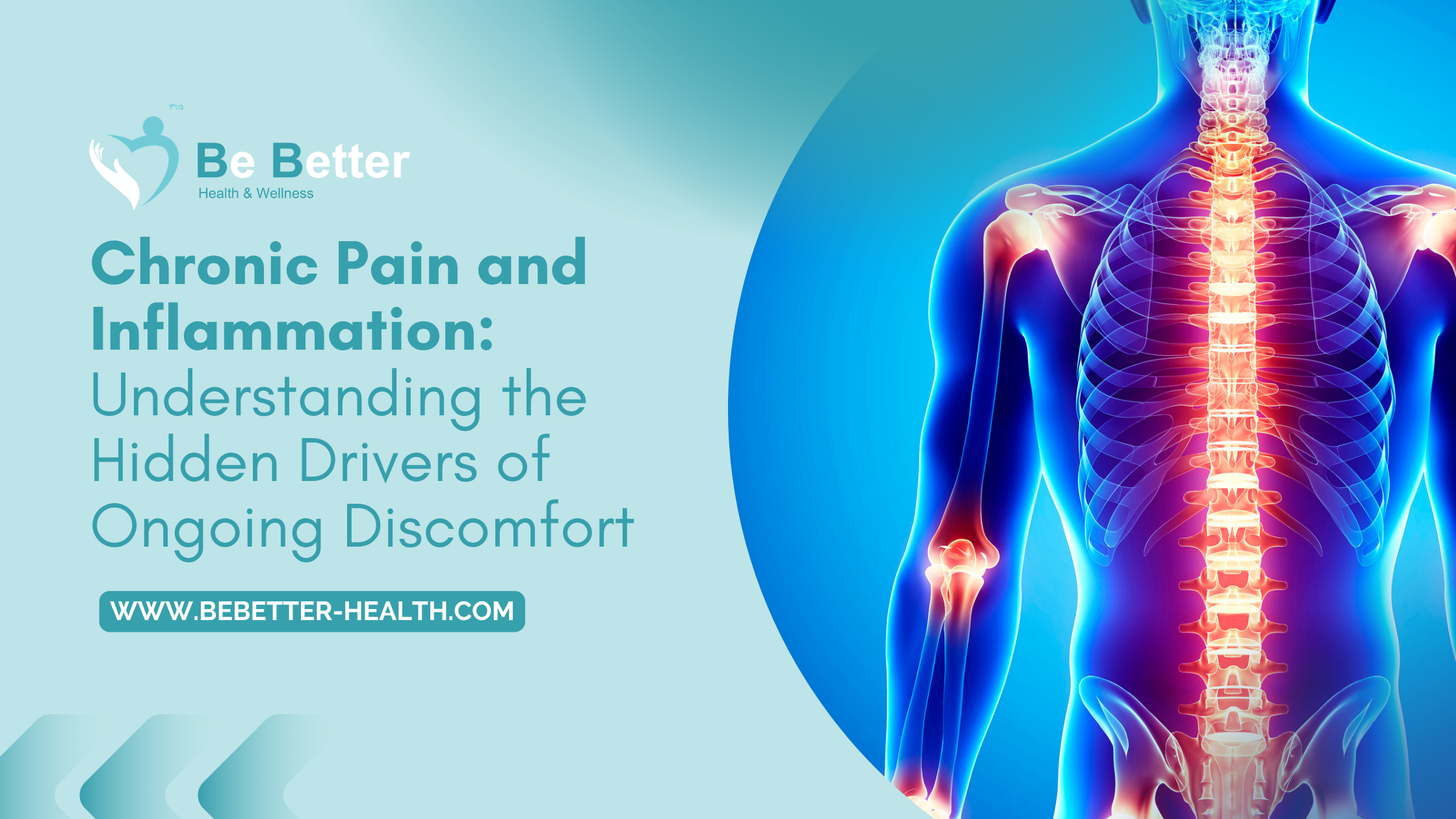
  • Chronic Pain and Inflammation: Understanding the Hidden Drivers of Ongoing Discomfort

    Chronic Pain and Inflammation: Understanding the Hidden Drivers of Ongoing Discomfort

    Chronic Pain and Inflammation: Understanding the Hidden Drivers of Ongoing Discomfort

    Chronic Pain and Inflammation: Understanding the Hidden Drivers of Ongoing Discomfort

    Introduction

    Chronic pain is becoming increasingly common in South Africa, affecting individuals across all age groups — from desk-bound professionals to those managing long-term health conditions.

    While pain is often treated as a structural issue, research and clinical observation suggest that inflammation and nervous system sensitivity play a significant role in how pain develops and persists.

    Understanding these underlying factors is key to better long-term management.

    What Is Chronic Pain?

    Chronic pain is typically defined as pain lasting longer than 3 months.

    It may present as:

    • Persistent lower back pain
    • Neck and shoulder tension
    • Joint discomfort
    • Headaches
    • Widespread body pain

    Unlike acute pain, chronic pain is often influenced by multiple systems in the body — not just the original injury site.

    The Role of Inflammation

    Inflammation is the body’s natural response to injury or stress. However, when inflammation becomes chronic or low-grade, it may contribute to ongoing discomfort.

    Common contributors to inflammation include:

    • Poor diet (highly processed foods)
    • Chronic stress
    • Lack of movement
    • Sleep disruption
    • Gut health imbalance

    In the South African context, lifestyle pressures, stress, and sedentary work environments may increase inflammatory load.

    The Nervous System and Pain Sensitivity

    Pain is not only physical — it is also processed by the nervous system.

    When pain persists, the nervous system may become more sensitive, meaning:

    • Pain signals are amplified
    • Minor triggers feel more intense
    • Recovery may take longer

    This is often referred to as central sensitisation.

    Stress, anxiety, and fatigue can further influence this process.

    The Pain–Inflammation–Stress Cycle

    These three factors often interact:

    • Inflammation increases pain sensitivity
    • Pain increases stress
    • Stress further drives inflammation

    Breaking this cycle requires a broader, integrative approach.

    Integrative Support Strategies

    At Be Better Health, we take a whole-body approach to pain support, which may include:

    • Nervous system regulation strategies
    • Postural and movement assessment
    • Lifestyle and stress pattern awareness
    • Sleep and recovery support
    • Functional movement guidance

    These approaches are designed to support regulation and resilience — alongside medical care.

    Education as a Key Tool

    Understanding how pain works can reduce fear and improve confidence.

    The Self-Care for Pain Management Course is designed to help you:

    • Understand pain mechanisms
    • Recognise triggers
    • Support your body daily

    When to Seek Medical Care

    Always consult a qualified medical professional if you experience:

    • Severe or worsening pain
    • Neurological symptoms
    • Sudden onset of unexplained pain

    Conclusion

    Chronic pain is rarely caused by one factor alone.
    Inflammation, stress, and nervous system sensitivity all play a role.

    Understanding these connections is the first step toward better support.

    👉 Book a consultation (Johannesburg & surrounds)
    👉 Explore the Pain Management Course

    Share it :
  • Committing to Your New Year’s Resolutions

    Committing to Your New Year’s Resolutions

    Committing to Your New Year’s Resolutions

    An Integrative Health Approach

    As we step into a new year, many of us feel that familiar surge of motivation—the desire to exercise more, eat better, manage stress, and ultimately feel healthier and more fulfilled. Yet by February, our carefully crafted resolutions often fade into the background of daily life. At Be Better Health and Wellness, we understand why this happens, and more importantly, we know how to help you succeed using an integrative health approach that honors the whole person.

    The traditional New Year’s resolution typically focuses on isolated behavioral changes: “I will go to the gym five times a week” or “I will eat no sugar.” While these goals have merit, they often fail because they address only one dimension of human wellbeing. Integrative health teaches us something more profound: sustainable change requires us to engage with our body, brain, and being simultaneously.

    Understanding Your Whole Self: The Body-Brain-Being Framework

    Integrative health recognizes that you are not simply a collection of separate parts to be fixed in isolation. Your body, brain, and being are deeply interconnected through complex systems—what we call the gut-brain-immune axis—that influence every aspect of your health and capacity for change.

    When you make a resolution to improve your health, you are not just asking your muscles to work harder or your digestive system to process different foods. You are asking your nervous system to adapt, your mind to shift its patterns, and your spirit to align with new values and intentions. When we ignore any of these dimensions, our resolutions crumble under the weight of incomplete support.

    The Body: Building Sustainable Physical Foundations

    Your body’s capacity to change is remarkable, but it thrives on consistency and self-compassion rather than punishment. If your resolution involves movement—whether that’s exercise, stretching, or rehabilitative activity—consider starting small and building gradually. The temptation to overhaul everything at once often leads to injury, burnout, or discouragement.

    Instead, choose movement that feels good in your body. If you hate running, don’t commit to marathon training. If high-intensity workouts leave you depleted, explore gentler modalities like Pilates, yoga, tai chi, or walking. When you enjoy your physical practice, consistency becomes natural rather than forced.

    Equally important is nutrition that truly nourishes. Rather than restrictive dieting, think about adding in—whole foods, fermented foods that support your gut health, anti-inflammatory choices that reduce pain and enhance vitality. When you nourish your body with genuine care, you send a powerful message to your nervous system: “I matter, and I’m worth caring for.”

    Finally, prioritize sleep and recovery. These are not luxuries—they are the foundation upon which all other health practices rest. Your body rebuilds itself during sleep, and without adequate rest, even the best intentions will falter.

    The Brain: Rewiring Thought Patterns and Stress Responses

    Your brain is endlessly adaptable, yet it is also deeply habitual. Most of our patterns—both positive and negative—operate beneath conscious awareness. A resolution that ignores the brain’s powerful role in maintaining old patterns is destined to struggle.

    Begin by examining the thoughts and beliefs beneath your resolution. Are you driven by genuine desire for wellness, or by shame and criticism? Research consistently shows that self-compassion and positive motivation lead to lasting change far more effectively than self-judgment and fear.

    Practical brain-centered strategies include meditation, breathwork, and mindfulness—practices that help you observe your thoughts without judgment and gradually shift your nervous system’s default setting from stress to calm. When your nervous system feels safer, you naturally make better choices about food, movement, and rest.

    Additionally, consider working with a practitioner trained in mind-body approaches. Modalities like craniosacral therapy, which works with your nervous system’s deepest patterns, can help release the physical and emotional blocks that sabotage your best intentions.

    Finally, address stress actively. Burnout and chronic stress are epidemic, and they undermine every health goal. Integrative approaches to stress management—from herbal support to bodywork to meaningful rest—are not indulgences; they are essential components of sustainable wellness.

    The Being: Aligning Your Resolution With Your Values

    Perhaps the most overlooked dimension of lasting change is meaning and purpose. When your resolution is disconnected from your deepest values, it becomes another “should” rather than a genuine expression of who you are.

    Take time to ask yourself: Why does this resolution matter to me? What kind of life am I creating through this change? How does this goal connect to what I most value?

    For many people, wellness is not an end in itself but a means to something deeper—more energy to spend with loved ones, the strength to pursue meaningful work, the presence to fully engage with life, or the vitality to contribute to your community.

    When you connect your resolution to your being—to your values, purpose, and spiritual wellbeing—it becomes sustainable. You are no longer forcing change through willpower alone; instead, you are naturally drawn toward choices that express who you are and who you wish to become.

    Bringing It Together: Your Integrative Resolution Practice

    As you move forward with your New Year’s resolutions, consider this integrative framework:

    Start with curiosity, not criticism. Ask yourself what would serve your whole self—body, brain, and being—not what you think you “should” do.

    Address all three dimensions. If your goal is improved health, consider how you will support your body through movement and nourishment, your brain through stress management and nervous system regulation, and your being through connection to meaning and purpose.

    Practice self-compassion. Change is messy. You will have days when you don’t follow through perfectly, and that is okay. What matters is the gentle return to your practice, again and again. This itself is a profound form of healing.

    Seek support. Working with integrative health practitioners—whether wellness coaches, nutritionists, or other health professionals trained in mind-body approaches—can dramatically increase your success. You need not navigate change alone.

    Measure beyond the scale. Notice subtle shifts: increased energy, better sleep, clearer thinking, improved mood, reduced pain, deeper presence with loved ones. These qualitative measures often matter more than any number on a scale.

    Moving Forward

    Your capacity to change is not determined by willpower or discipline alone. It emerges from honoring your whole self—body, brain, and being—and creating conditions where change becomes not a struggle but a natural expression of self-care and self-love.

    This year, as you commit to your resolutions, remember that you are not just changing behaviors. You are investing in yourself. You are affirming that you are worth caring for. And that intention, held with gentleness and supported by integrative practices, is where lasting change truly begins.

    Be better. Not by force, but by care. Not by isolation, but by wholeness. Not by denial, but by nourishment. This is integrative health, and this is how resolutions become reality.


    At Be Better Health and Wellness, we specialize in helping you create sustainable health changes through integrative approaches that honor your whole self. Whether through craniosacral therapy, pain management coaching, or wellness consultations, we’re here to support your journey. Reach out to learn how we can help you turn your 2025 resolutions into lasting wellbeing.

    Share it :
  • 7 Ways to Reset Your Health and Wellness

    7 Ways to Reset Your Health and Wellness

    7 Ways to Reset Your Health and Wellness

    Have you ever felt like you’ve drifted away from your health goals? Perhaps stress has crept in, energy levels have dropped, or old aches and pains have returned. The good news is that resetting your health and wellness doesn’t require a complete overhaul—it starts with intentional steps and the right support. Here are seven powerful ways to reclaim your vitality and create lasting change.

    1. Start with Your Gut

    Your digestive health is foundational to everything else. A healthy gut impacts your immune system, energy levels, mood, and even how well you manage pain. Begin by noticing what you’re eating and how your body responds. Are you consuming enough fermented foods like sauerkraut, kefir, or miso? These support beneficial bacteria that strengthen your gut-brain-immune axis.

    Simple tip: Add one serving of fermented food to your daily routine and observe how you feel after a week.

    For a deeper reset, consider consulting with an integrative health professional who can assess your individual nutritional needs and create a personalized gut-healing protocol tailored to your unique body.

    2. Reconnect with Your Breath

    Before you can reset anything else, you need to engage your nervous system consciously. Shallow breathing keeps you in a stress state, while deep, intentional breathing activates your parasympathetic nervous system—your body’s natural relaxation response.

    Simple tip: Practice 5-10 minutes of slow, diaphragmatic breathing each morning. Inhale for a count of 4, hold for 4, exhale for 6.

    This foundational practice can be enhanced through techniques like craniosacral therapy, which releases deep tension patterns held throughout your nervous system and body. A skilled practitioner can help you understand why your breath might be restricted and guide you toward lasting change.

    3. Release Physical Tension You Didn’t Know You Had

    Many of us carry stress in our body without realizing it. Tension in the jaw, neck, and shoulders accumulates silently until it becomes pain or dysfunction. This is especially true for those with TMJ disorders, where the jaw’s connection to the entire body creates cascading effects throughout your system.

    Simple tip: Perform gentle self-massage on your jaw, temples, and neck for 5 minutes daily. Use small circular motions and breathe deeply.

    If you’re experiencing chronic tension or jaw-related issues, working with a physiotherapist experienced in TMJ disorders can identify root causes and teach you targeted self-management techniques that create real transformation.

    4. Audit Your Sleep

    Sleep is where healing happens. Without quality rest, your immune system weakens, inflammation increases, and your body cannot repair itself. Look at your sleep environment and habits honestly.

    Simple tip: Establish a consistent bedtime 30 minutes earlier than usual, dim your lights two hours before sleep, and avoid screens one hour before bed.

    A comprehensive wellness consultation can help you identify sleep disruptors—whether physical tension, stress patterns, or lifestyle factors—and create an integrated approach to restorative sleep that honors your whole person.

    5. Move Your Body with Intention

    Movement doesn’t mean intense exercise. It means moving in ways that feel good and reconnect you with your body. Whether that’s gentle stretching, walking in nature, yoga, or swimming, the key is consistency and presence.

    Simple tip: Commit to 20 minutes of movement you genuinely enjoy, three times per week. Notice how your body feels before and after.

    With over 40 years of clinical experience in both physiotherapy and craniosacral therapy, and now practising as an integrative health and wellness practitioner, I’ve seen how personalized movement strategies can address specific concerns—from posture correction to pain management—while building body awareness that supports long-term wellness.

    6. Nourish Your Brain and Mind

    Physical reset is only half the story. Your mental and emotional state profoundly influences your physical health through the body-brain-being connection. Chronic stress, unprocessed emotions, and negative thought patterns create physical dysfunction.

    Simple tip: Start a simple journaling practice or daily gratitude reflection. Spend 10 minutes writing three things you’re grateful for or processing emotions that need attention.

    Working with an integrative health consultant who understands the psychological dimensions of wellness can help you address patterns like burnout, chronic stress, and the emotional roots of physical symptoms in a holistic way.

    7. Create Accountability and Support

    The most successful health resets happen when you have guidance and encouragement. Trying to do everything alone often leads to unsustainable habits and missed opportunities for transformation.

    Simple tip: Share your reset goals with a trusted friend or family member and check in weekly. Sometimes just speaking your intentions aloud creates powerful momentum.

    Be Better Health and Wellness offers personalized consultations, workshops, and ongoing support designed to help you navigate your unique health journey. Whether you’re managing a specific condition, recovering from burnout, or simply ready to feel better, having a professional partner who understands integrative health can accelerate your results and ensure you’re addressing root causes, not just symptoms.


    Your Reset Starts Now

    Resetting your health and wellness is an act of self-respect and self-love. It’s acknowledging that you deserve to feel vital, present, and free from unnecessary pain. These seven approaches work together—when you address your gut, nervous system, physical tension, sleep, movement, mind, and create support systems, you’re not just fixing problems; you’re building resilience.

    Remember, you don’t have to do this alone. Whether you start with one simple tip today or reach out for professional guidance, the most important step is the one you take right now.

    Ready to reset? Explore how Be Better Health and Wellness can support your unique journey toward lasting vitality. Schedule a consultation to discover a personalized approach that honors your whole self.

      Be Better Health and Wellness is committed to helping you achieve integrated health through integrative medicine and whole-person care. 

    Share it :
  • Sciatica vs Lower Back Pain

    Sciatica vs Lower Back Pain

    Sciatica vs Lower Back Pain

    How to Tell the Difference and What to Do Next

    Understanding your pain is the first step toward finding relief

    You’ve been dealing with back pain for days—maybe weeks. Some mornings you wake up stiff and sore. Other times, you notice lower back pain radiating down the leg, leaving you wondering: is this just a “bad back,” or is something more specific going on?

    If you’ve found yourself Googling your symptoms at 2 a.m., you’re not alone. Lower back pain affects up to 80% of adults at some point in their lives, and sciatic nerve pain—a specific type of nerve-related discomfort—was one of the most commonly misunderstood conditions I saw during my years in clinical practice.

    The good news? Once you understand what’s actually happening in your body, you can take meaningful steps toward relief. Let’s break it down.

    What Is Lower Back Pain?

    Lower back pain is a broad term that describes discomfort anywhere in the lumbar region—the area between your ribcage and your pelvis. It can range from a dull, constant ache to a sharp, sudden pain that stops you in your tracks.

    Common causes include muscle strain from overexertion or poor posture, ligament sprains, joint dysfunction, degenerative disc changes, and prolonged sitting or standing. The pain typically stays localised to the lower back, though it may spread across your hips or into your buttocks. Most episodes of mechanical lower back pain improve within a few weeks with appropriate care.

    What Is Sciatica?

    Sciatica isn’t actually a diagnosis—it’s a description of symptoms caused by irritation or compression of the sciatic nerve. This nerve, the longest and thickest in your body, runs from your lower spine, through your buttocks, and down each leg to your feet.

    When something presses on or irritates this nerve, the result is sciatic nerve pain—a distinctive pattern of symptoms that travels along the nerve’s pathway. This is why so many people describe their experience as nerve pain in leg that seems to come from nowhere, or lower back pain radiating down the leg in a way that feels different from ordinary muscle soreness.

    Understanding the Causes of Sciatica

    To effectively address sciatic nerve pain, it helps to understand what’s actually creating the problem. The causes of sciatica typically fall into several categories.

    Herniated or bulging discs are the most common culprit. When the soft inner material of a spinal disc pushes through its outer layer, it can press directly on the sciatic nerve root. This often occurs at the L4-L5 or L5-S1 levels of the spine.

    Spinal stenosis—a narrowing of the spinal canal—can compress the nerve roots that form the sciatic nerve. This is more common as we age and is often associated with degenerative changes in the spine.

    Piriformis syndrome occurs when the piriformis muscle, located deep in the buttock, tightens or spasms and irritates the sciatic nerve that runs beneath (or sometimes through) it. This is a frequently overlooked cause of sciatica, particularly in people who sit for long periods.

    Spondylolisthesis, where one vertebra slips forward over another, can narrow the space through which the nerve exits, creating compression.

    Degenerative disc disease and age-related changes can gradually reduce the space available for nerve roots, leading to irritation over time.

    Less commonly, the causes of sciatica may include tumours, infections, or trauma. This is why persistent or unusual symptoms always warrant professional evaluation.

    How to Tell the Difference

    While both conditions involve the lower back, they present quite differently. Understanding these distinctions can help you communicate more effectively with your healthcare provider and choose appropriate self-care strategies.

    Location of Pain

    Lower back pain stays in the back. You might feel it across your lumbar spine, perhaps radiating slightly into your hips or upper buttocks, but it doesn’t travel down your leg.

    Sciatica follows a specific path. The hallmark is lower back pain radiating down the leg—from your buttock down the back or side of your thigh, sometimes continuing to your calf, ankle, or foot. The nerve pain in leg typically affects only one side.

    Quality of Pain

    Lower back pain often presents as a deep ache, stiffness, or muscle tension. It may worsen with movement and ease with rest or vice versa depending on the cause.

    Sciatic nerve pain produces more distinctive sensations: burning, shooting, or electric-shock-like pain. Many people describe it as a “hot poker” running down their leg. The nerve pain in leg often comes with tingling, numbness, or pins and needles—sensations you wouldn’t typically experience with simple muscle strain.

    Aggravating Factors

    Lower back pain typically worsens with prolonged positions (sitting or standing too long), bending, lifting, or twisting movements.

    Sciatic nerve pain often flares with sitting, coughing, sneezing, or bearing down. Many people find that standing or walking provides some relief, while sitting compresses the nerve further.

    Associated Symptoms

    Lower back pain may cause muscle spasms and restricted movement but doesn’t typically produce neurological symptoms.

    Sciatica can cause weakness in the affected leg, difficulty lifting your foot (foot drop), or changes in reflexes. These neurological signs indicate that the nerve is being significantly affected and should prompt professional evaluation.

    Back Pain Red Flags: When to Seek Immediate Help

    While most episodes of back pain and sciatica resolve with appropriate care, certain back pain red flags require urgent medical attention. These warning signs may indicate serious underlying conditions that need prompt evaluation.

    Seek emergency care if you experience:

    • Sudden loss of bladder or bowel control, or inability to urinate

    • Numbness in your inner thighs, groin, or saddle area

    • Progressive weakness in both legs

    • Severe, unrelenting pain that doesn’t respond to any position change

    These symptoms may indicate cauda equina syndrome—a rare but serious condition where the nerve roots at the base of the spine become severely compressed. This is a medical emergency requiring immediate treatment to prevent permanent damage.

    See a healthcare provider promptly if you notice:

    • Pain that persists beyond 4-6 weeks despite consistent self-care

    • Progressive weakness in your leg or foot

    • Nerve pain in leg that’s getting worse rather than better

    • Pain following significant trauma or injury

    • Pain that wakes you consistently from sleep

    • Unexplained weight loss accompanying your symptoms

    • Fever along with back pain

    • History of cancer, osteoporosis, or immune suppression

    Understanding these back pain red flags empowers you to seek appropriate care at the right time—neither dismissing serious symptoms nor catastrophizing about normal discomfort.

    Why the Distinction Matters

    Understanding whether you’re dealing with general lower back pain or true sciatic nerve pain helps guide your approach to care. A muscle strain responds well to gentle movement and heat. A compressed nerve may need specific positioning, targeted exercises, and possibly hands-on treatment to address the underlying cause.

    Many people I worked with over the years had spent months treating the wrong problem—applying heat when they needed ice, resting when they needed movement, or stretching in ways that actually aggravated their nerve. When you understand the causes of sciatica and how nerve pain differs from muscular pain, you can make more informed choices about your care.

    What to Do Next: A Practical Approach

    For General Lower Back Pain

    In the first 48-72 hours: Relative rest is appropriate, but avoid complete bed rest, which can actually delay healing. Gentle walking and light movement help maintain blood flow and prevent stiffness. Ice may help reduce inflammation initially, while heat can ease muscle tension after the acute phase.

    As you improve: Gradually increase your activity. Focus on movements that feel good rather than pushing through significant pain. Core stability exercises, once the acute pain settles, help prevent recurrence.

    Consider your daily habits: How’s your sitting posture? Are you taking regular movement breaks? Sometimes the simplest changes—adjusting your workstation, sleeping with a pillow between your knees, or breaking up prolonged sitting—make the biggest difference.

    For Sciatic Nerve Pain

    Find positions of relief: Many people with lower back pain radiating down the leg find that lying on their back with knees bent, or lying on their side with a pillow between their knees, reduces nerve tension. Standing and walking may feel better than sitting.

    Be cautious with stretching: While it seems logical to stretch what hurts, aggressive stretching can further irritate an inflamed nerve. Gentle nerve gliding exercises—which move the nerve through its pathway without pulling on it—are often more appropriate than static stretches when dealing with nerve pain in leg.

    Address the source: Sciatica is a symptom, not a root cause. Identifying what’s compressing or irritating your nerve—whether it’s a disc issue, piriformis muscle tension, or spinal stenosis—allows for more targeted treatment. Understanding the specific causes of sciatica in your case guides the most effective intervention.

    Consider manual therapy: Hands-on approaches such as specific soft tissue work, joint mobilization, and craniosacral therapy can help address both the mechanical issues contributing to nerve compression and the nervous system’s response to pain.

    An Integrative Perspective

    In my years of practice, I’ve observed that back pain and sciatica rarely exist in isolation. Sleep quality affects tissue healing. Stress amplifies pain perception. Gut inflammation can influence systemic inflammation. Movement patterns developed over decades don’t change overnight.

    This is why I take a whole-person approach—looking not just at where it hurts, but at the interconnected systems that influence your experience of pain. Sometimes the most effective intervention isn’t where you’d expect. A breathing technique that calms your nervous system might provide more relief than another stretch. Addressing your sleep might reduce your sciatic nerve pain more than another tablet.

    Whether you’re dealing with localized lower back pain or nerve pain in leg, your body has remarkable capacity to heal when given the right conditions. Understanding your pain is simply the first step in creating those conditions.

    Moving Forward

    If you’re unsure whether your pain is muscular or nerve-related, start by paying attention. Where exactly does it hurt? Does it stay in one place, or do you notice lower back pain radiating down the leg? What makes it better or worse? What does the sensation feel like—aching and stiff, or burning and electric?

    These observations are valuable information. Keep a brief pain diary if it helps, noting what aggravates and relieves your symptoms. This information will be useful whether you’re managing things at home or seeking professional guidance.

    And remember to stay alert to back pain red flags. Most back pain, including sciatica, resolves well with appropriate care. But knowing when to seek help ensures you get the right treatment at the right time.

    Pain is information, not a life sentence. With the right understanding and approach, most people find significant improvement—and many find complete resolution.

    Ready to Take Control of Your Pain?

    Learn how pain works, what influences sensitivity, and how to build a supportive routine.

    My Self-Care for Pain Management course gives you the knowledge and practical tools to understand your pain and develop daily strategies that support healing—whether you’re dealing with sciatica, lower back pain, or other persistent discomfort.

    Explore the Self-Care for Pain Management Course 

    bebetter-health.com/pain-management-courses

    https://bebetter-health.com/pain-management-courses

    Berdene Segal is an Integrative Health Consultant with over 40 years of clinical experience. She holds a BSc in Physiotherapy and an Advanced Master’s in Integrative Medicine. Her practice, Be Better Health and Wellness, focuses on helping people understand and address the root causes of their health concerns.

    This article is for educational purposes only and does not constitute medical advice. Please consult with a qualified healthcare provider for personalised guidance regarding your specific condition.

    Share it :
  • TMJ Headaches: Understanding the connection

    TMJ Headaches: Understanding the connection

    TMJ Headaches: Understanding the connection

    Understanding the Connection Between Your Jaw and Your Head Pain

    By Berdene Segal

    BSc Physiotherapy (Wits) | Advanced Master’s Degree in Integrative Medicine Craniosacral Therapy Practitioner (Upledger Institute®)

    Be Better Health and Wellness

    If you’ve ever woken up with a dull, persistent headache that seems to radiate from your temples or wrap around your skull like a tight band, you may have wondered whether something more than stress is at play. And if you’ve also noticed a clicking jaw, tension along your jawline, or jaw pain when chewing, there’s a good chance your headaches and jaw symptoms are more connected than you realise

    You’re not alone in asking, “Why does my jaw hurt?”—and more importantly, why does it seem to trigger headaches that disrupt your daily life?

    The Hidden Link: How Your Jaw Can Cause Headaches

    The temporomandibular joint (TMJ) is one of the most complex and frequently used joints in your body. Every time you speak, chew, yawn, or even swallow, this small but mighty joint is at work. When dysfunction occurs in this area—a condition broadly referred to as temporomandibular disorder (TMD)—the ripple effects can extend far beyond the jaw itself.

    A TMJ headache is one of the most common yet frequently misdiagnosed consequences of jaw dysfunction. These headaches often masquerade as tension headaches or migraines, leading many people down a frustrating path of treatments that address the symptom but miss the underlying cause.

    The mechanism behind TMJ-related headaches involves the intricate network of muscles, nerves, and connective tissues that connect your jaw to your head, neck, and shoulders. When your jaw joint is misaligned, overworked, or under chronic stress, the muscles surrounding it—particularly the temporalis, masseter, and pterygoid muscles—can become tight, fatigued, and trigger-point laden. This muscular tension refers pain directly into the head, creating that familiar headache pattern.

    Recognising TMJ Symptoms That Point to Headache Origins

    Understanding the full spectrum of TMJ symptoms can help you identify whether your headaches might have a jaw-related component. Common signs include:

    Jaw-specific symptoms:

    • A clicking jaw or popping sound when opening or closing your mouth

    • Jaw pain when chewing, especially with harder or chewy foods

    • Difficulty opening your mouth fully or a sensation of the jaw “catching”

    • Morning jaw stiffness or soreness

    • Tenderness along the jawline or in front of your ears

    Head and facial symptoms:

    • Headaches that begin near the temples and spread across the forehead

    • Pain behind the eyes

    • Facial pain or a sense of pressure in the cheeks

    • Ear pain, fullness, or ringing (tinnitus) without an ear infection

    Associated symptoms:

    • Neck and shoulder tension

    • Tooth sensitivity without dental cause

    • Changes in how your teeth fit together when you bite

    If several of these resonate with you, your recurring headaches may indeed be TMJ headaches

    warranting a closer look at your jaw function.

    Tooth Grinding and Clenching: A Major Contributor

    One question I’m frequently asked is whether tooth grinding—known clinically as bruxism—can cause headaches in and of itself, even without other obvious TMJ problems.

    The answer is a resounding yes.

    Bruxism, whether it occurs during sleep (nocturnal bruxism) or while awake (diurnal bruxism), places enormous strain on the jaw muscles and the temporomandibular joint. The forces generated during grinding and clenching can be several times greater than normal chewing forces. Over time, this repetitive stress leads to muscle fatigue, hypertonicity (excessive muscle tension), and the development of myofascial trigger points.

    These trigger points—tender knots within the muscle tissue—are notorious for referring pain to distant areas. Trigger points in the masseter muscle, for instance, commonly refer pain to the eyebrow, upper jaw, and lower jaw, while trigger points in the temporalis muscle refer pain across the temple and into the head, mimicking tension-type headaches.

    What makes bruxism particularly problematic is that many people are completely unaware they’re doing it. Sleep bruxism often goes unnoticed unless a partner hears the grinding sounds, or until symptoms become impossible to ignore. Daytime clenching is similarly unconscious for most people—a habitual response to stress, concentration, or even poor posture.

    The relationship between bruxism and headaches creates a self-perpetuating cycle: stress leads to clenching, clenching leads to muscle tension and pain, pain increases stress, and the cycle continues.

    Breaking this cycle requires both awareness and targeted intervention—something that a structured self-management approach can effectively address.

    Why Does My Jaw Hurt? Understanding the Root Causes

    When patients come to me asking “why does my jaw hurt?”, I always emphasise that TMD rarely has a single cause. Instead, it typically results from a combination of factors that, together, overwhelm the jaw system’s capacity to adapt.

    Common contributing factors include:

    Structural factors: Dental misalignment, missing teeth, poorly fitting dental work, or natural variations in jaw anatomy can alter how forces are distributed through the joint.

    Muscular factors: Chronic tension in the jaw, neck, and shoulder muscles—often related to stress, posture, or bruxism—places ongoing strain on the TMJ.

    Behavioural factors: Habits such as nail-biting, gum chewing, resting your chin on your hand, or holding your phone between your ear and shoulder can contribute to jaw dysfunction over time.

    Postural factors: Forward head posture, common in our screen-dominated world, changes the resting position of the jaw and increases tension in the muscles that control it.

    Stress and emotional factors: The jaw is exquisitely sensitive to emotional states. Anxiety, suppressed anger, and chronic stress commonly manifest as jaw tension and clenching.

    Systemic factors: Inflammation, hormonal changes, sleep disturbances, and nutritional deficiencies can all influence pain sensitivity and muscle function.

    This multifactorial nature is precisely why a holistic, integrative approach to TMJ management often succeeds where single-intervention treatments fall short.

    Red Flags: When to Seek Further Medical Attention

    While many TMJ-related headaches respond beautifully to self-management strategies, it’s essential to recognise when professional medical evaluation is necessary. Certain symptoms warrant prompt attention to rule out other conditions or to access appropriate treatment.

    Seek medical attention if you experience:

    • Sudden, severe headache that comes on like a “thunderclap”—this could indicate a serious neurological event

    • Headache accompanied by fever, stiff neck, confusion, or visual changes—potential signs of infection or other serious conditions

    • Progressive worsening of headaches over weeks or months despite self-care measures

    • Headaches that wake you from sleep or are significantly worse in the morning

    • Neurological symptoms such as weakness, numbness, difficulty speaking, or changes in vision accompanying your headaches

    • Jaw locking that prevents you from opening or closing your mouth

    • Significant changes in your bite or how your teeth fit together

    • Unexplained weight loss or systemic symptoms alongside your jaw pain and headaches

    • History of cancer with new onset headaches

    • Headache following head trauma, even if the injury seemed minor

    Additionally, if your jaw pain is accompanied by chest pain, shortness of breath, or pain radiating down your arm, seek emergency care immediately, as jaw pain can occasionally be a referred symptom of cardiac events.

    If you’ve been managing your symptoms on your own for several weeks without improvement, or if your symptoms are significantly impacting your quality of life, work, or sleep, it’s time to consult with a healthcare professional who can assess your condition thoroughly.

    The Path Forward: Empowering Yourself with Knowledge and Tools

    Here’s what I’ve learned in over four decades of clinical practice: the people who achieve the best outcomes with TMJ/TMD are those who become active participants in their own healing.

    Understanding your condition is the first step. Recognising your personal triggers, learning to interrupt harmful patterns, and implementing targeted self-care strategies can profoundly reduce—and in many cases resolve—TMJ symptoms and their associated headaches.

    This is precisely why I developed my TMJ Self-Management Course—to put practical, evidence-informed tools directly into your hands. Visit bebetter-health.com to learn more.

    In this comprehensive programme, you’ll learn:

    • How to identify your unique contributing factors and create a personalised management plan

    • Gentle jaw exercises and stretches to restore mobility and reduce muscle tension

    • Self-massage and myofascial release techniques to address trigger points at home

    • Postural awareness and corrections to reduce strain on your jaw throughout the day

    • Stress management and relaxation techniques specifically targeting jaw tension

    • Lifestyle modifications including sleep positioning, dietary considerations, and habit awareness

    • When and how to seek additional professional support

    The course is designed to meet you where you are, whether you’re newly experiencing symptoms or have been struggling with TMJ issues for years. It’s structured so you can work through it at your own pace, revisiting sections as needed.

    You Don’t Have to Live with This Pain

    If you’re tired of waking up with headaches, wincing through meals because of jaw pain when chewing, or feeling like your jaw has become an unreliable partner in your daily life, please know that improvement is possible.

    TMJ dysfunction and its associated headaches are not something you simply have to accept. With the right knowledge, consistent self-care practices, and attention to the interconnected factors that contribute to your symptoms, you can reclaim comfort and function.

    I invite you to take the first step toward lasting relief by exploring my TMJ Self-Management Course at bebetter-health.com. Because understanding your body is the foundation of healing it.

    Berdene Segal is an Integrative Health Consultant with over 40 years of clinical experience. She holds a BSc in Physiotherapy, an Advanced Master’s Degree in Integrative Medicine, and is a Craniosacral Therapy Practitioner (Upledger Institute®). Through Be Better Health and Wellness, she helps clients address complex health challenges using a holistic Body-Brain-Being approach.

    Disclaimer: This document is for educational purposes only and does not constitute medical advice. Always consult with a qualified healthcare provider for diagnosis and treatment of any health condition. If you are experiencing severe symptoms or red flag signs as described above, please seek medical attention promptly.

    Share it :
  • Sciatica vs Lower Back Pain: Understanding the Difference

    Sciatica vs Lower Back Pain: Understanding the Difference

    Sciatica vs Lower Back Pain: Understanding the Difference

    Lower back pain is one of the most common health complaints globally, and increasingly in South Africa, especially among desk workers and individuals with sedentary lifestyles. However, not all lower back pain is the same.

    A common question is:
    “Is this just lower back pain, or is it sciatica?”

    Understanding the difference is important, because nerve-related pain behaves differently from muscular or mechanical pain. Clarity can influence how you approach movement, posture, and long-term management.

    What Is Lower Back Pain?

    Lower back pain typically refers to discomfort located in the lumbar region. It may feel like:

    • Dull aching pain
    • Stiffness
    • Muscle tightness
    • Pain worsened by movement or prolonged sitting

    Common contributors include:

    • Poor posture
    • Prolonged desk work
    • Muscle strain
    • Reduced mobility
    • Stress-related muscle tension

    Lower back pain is often mechanical, meaning it relates to muscles, joints, and movement patterns.

    What Is Sciatica?

    Sciatica refers to pain associated with irritation or compression of the sciatic nerve, which runs from the lower back down through the buttock and into the leg.

    Common symptoms of sciatica include:

    • Pain radiating down one leg
    • Tingling or numbness
    • Burning sensation
    • Electric or shooting pain
    • Weakness in the leg

    Unlike muscular lower back pain, sciatica often travels below the knee and may feel sharp or nerve-like.

    Sciatica vs Lower Back Pain: Key Differences


    Feature

    Lower Back Pain

    Sciatica


    Location

    Localised in lower back

    Radiates down leg


    Sensation

    Aching, stiff

    Sharp, burning, electric


    Nerve symptoms

    Rare

    Common (tingling, numbness)


    Movement impact

    May improve with gentle movement

    May worsen with certain positions


    Why the Nervous System Matters

    Pain is not only structural. It involves the nervous system.

    When pain becomes persistent, the nervous system may become more sensitive. Stress, inflammation, sleep disruption, and reduced movement can all influence pain perception.

    In South Africa, rising workplace stress, sedentary habits, and long commuting hours may contribute to both lower back pain and nerve sensitivity.

    Understanding this connection is a key part of effective self-management.

    Supportive Integrative Strategies

    An integrative approach may include:

    • Postural assessment and correction
    • Gentle mobility and movement support
    • Nervous system regulation strategies
    • Stress management techniques
    • Lifestyle and inflammation awareness

    These strategies are designed to support regulation and function, alongside appropriate medical care.

    When to See a Medical Professional

    Seek medical advice if you experience:

    • Progressive weakness
    • Loss of bladder or bowel control
    • Severe, worsening pain
    • Trauma-related injury

    Always consult your GP or specialist for diagnosis and medical treatment.

    How Be Better Health Supports You

    At Be Better Health, integrative consultations focus on:

    • Understanding contributing factors
    • Supporting nervous system regulation
    • Addressing posture and movement patterns
    • Encouraging structured self-management

    👉 Book a consultation (Johannesburg & surrounds)

    Share it :